
My Toddler Stopped Talking — Understanding Speech Regression
It can feel incredibly confusing when a toddler who once used words suddenly becomes quieter or stops talking altogether. Many parents describe the experience as unsettling because communication changes can happen gradually or seem to appear almost overnight. Some toddlers stop using a few familiar words, while others become less engaged socially or rely more heavily on gestures and sounds instead of spoken language.
Speech regression in toddlers can happen for several different reasons, and not every situation points to the same underlying cause. Illness, major developmental leaps, hearing changes, stress, environmental transitions, or broader developmental differences can all affect communication. Sometimes the change is temporary, while other times it signals that a child may benefit from further evaluation and support.
Parents often wonder whether they somehow missed a warning sign earlier, but regression can be difficult to predict. Toddlers develop communication skills unevenly, and periods of slower progress are common. What usually matters most is noticing meaningful changes in interaction, communication, social engagement, or language use over time rather than focusing on a single milestone alone.
Understanding what speech regression can look like, what may contribute to it, and when to seek professional guidance can help families feel more informed and less overwhelmed. Early support can make a meaningful difference, and many toddlers continue to build strong communication skills with the right interventions and encouragement.
What Speech Regression in Toddlers Can Look Like
Losing Words a Toddler Previously Used
In some cases, toddlers still understand language well but become less interested in speaking. They may point, pull adults toward objects, or rely on sounds instead of words they once used independently. Other children may appear frustrated because they cannot express themselves as easily as before.
It is important to remember that occasional word fluctuations can happen during development. However, a noticeable or ongoing loss of language skills deserves attention, particularly if it continues for several weeks or is paired with changes in social interaction or play.
Changes in Social Communication
A child who once waved, pointed, or responded enthusiastically to familiar songs may suddenly seem less responsive. These changes can happen gradually, making them difficult to recognize at first. Families often notice the difference most clearly when comparing current behavior to earlier videos or memories.
Social communication skills and spoken language develop together during toddlerhood. When communication changes occur across multiple areas, pediatricians or speech-language pathologists often look at the broader developmental picture instead of focusing only on vocabulary size.
Temporary Pauses Versus True Regression
Not every quiet phase means a toddler is losing language abilities. Development often happens in bursts, and some children temporarily focus more on physical, emotional, or cognitive growth. A toddler learning new motor skills or adjusting to childcare changes may briefly talk less while adapting.<br><br>
Temporary communication slowdowns usually involve reduced verbal output without an actual loss of previously mastered skills. In contrast, regression typically refers to a meaningful decrease in language, social communication, or interaction abilities that had already developed.<br><br>
Parents know their child best, and instincts about communication changes matter. If a toddler truly seems different in how they communicate, engage, or respond, it is reasonable to seek guidance even if the changes appear subtle at first.

Possible Reasons a Toddler Stopped Talking
Hearing Changes and Communication
Toddlers learn language by hearing words repeatedly throughout daily routines. When sounds become muffled or inconsistent, children may stop attempting words they no longer hear clearly. Some toddlers compensate with gestures or frustration behaviors instead of spoken communication.
Because hearing issues are not always obvious, many pediatricians recommend hearing evaluations when speech regression occurs. Checking hearing early can help rule out an important piece of the communication puzzle.

Developmental and Neurological Factors
In some situations, speech regression may relate to broader developmental differences. Communication changes can sometimes appear alongside shifts in play skills, social interaction, sensory responses, or emotional regulation. These patterns may lead professionals to explore developmental evaluations more closely.
Autism spectrum disorder is one condition sometimes associated with language regression in toddlerhood, although regression can occur for many different reasons. Not every child who experiences speech regression is autistic, and communication differences vary greatly from one child to another.
If your child is being evaluated for autism, read Autism Diagnosis and Speech Therapy: A Parent’s Guide to Next Steps to learn what to expect after a diagnosis.
Families often feel overwhelmed while waiting for answers, but developmental evaluations are designed to gather information rather than assign blame. Understanding a child’s strengths and challenges can help guide supportive therapies and communication strategies.
Stress, Transitions, and Emotional Changes
Some children become quieter when overwhelmed or emotionally dysregulated. Others may rely more heavily on familiar gestures or routines during stressful periods because verbal communication requires additional cognitive effort. This does not necessarily mean a permanent loss of language abilities.
Even when emotional stress contributes to communication changes, supportive monitoring remains important. If language does not return gradually or additional developmental concerns appear, further evaluation can help determine whether additional support would benefit the child.
Supporting Communication After Speech Regression
Creating Low-Pressure Communication Opportunities
Parents sometimes understandably become anxious when a child stops talking, but frequent quizzing or requests to “say the word” can occasionally increase frustration. Instead, narrating activities, following the child’s interests, and pausing expectantly during play can encourage more spontaneous communication attempts.
Communication includes gestures, sounds, facial expressions, and interaction — not only spoken words. Celebrating all attempts to connect can help rebuild confidence while language skills continue developing.
Reading, Singing, and Interactive Play
Books with predictable phrases and strong visual cues often work especially well for toddlers experiencing regression. Some children begin by pointing to pictures or filling in familiar sounds before returning to more consistent spoken language. Interactive songs and gestures also reduce pressure while supporting participation.
Parents do not need elaborate therapy activities at home to encourage communication. Consistent responsive interaction during everyday routines is often one of the most powerful supports for early language growth.
The Role of Early Intervention and Speech Therapy
Early support does not mean something is “wrong” with a child. Instead, it creates opportunities to strengthen communication during an important developmental window. Therapy recommendations vary depending on the child’s individual needs and may involve parent coaching, play-based therapy, or collaborative developmental services.
Many parents feel relieved after beginning the evaluation process because they gain clearer direction and practical strategies. Whether regression proves temporary or part of a broader developmental pattern, families benefit from support, reassurance, and individualized guidance.
When It Makes Sense to Reach Out for Guidance
Trusting Changes You Notice
Regression is generally considered more significant than a simple delay because it involves losing previously developed skills. Even if a child occasionally uses some words again, ongoing changes in communication patterns deserve attention and monitoring.
Seeking an evaluation does not automatically mean a serious diagnosis is present. In many cases, families simply gain reassurance, practical strategies, or helpful early support services that improve communication development over time.
Signs That Warrant Further Evaluation
- Loss of words previously used consistently
- Reduced eye contact or social interaction
- Less response to their name
- Difficulty understanding language that was previously understood
- Sudden withdrawal from interaction or play
- Ongoing communication loss lasting several weeks
- Concerns about hearing or frequent ear infections
Finding Support Without Panic
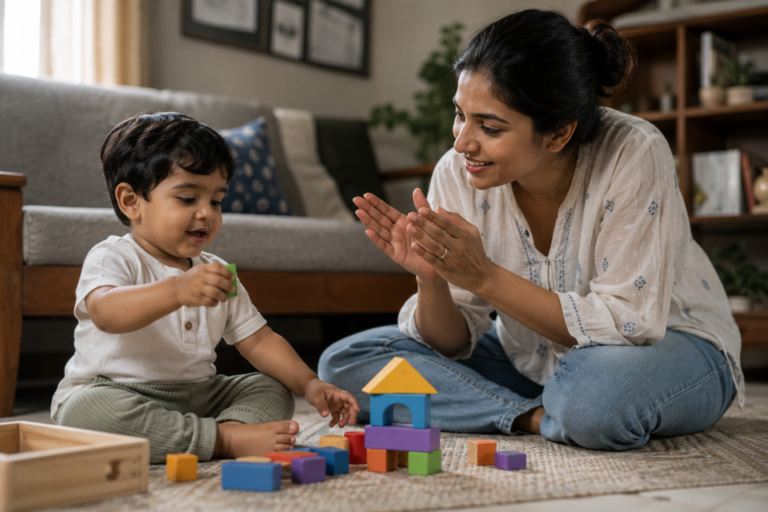
Parents do not need to wait until concerns become severe before asking questions. Developmental support works best when concerns are addressed early, even if the outcome ultimately turns out reassuring. Monitoring communication over time provides valuable information for professionals and families alike.
Most importantly, toddlers benefit from responsive, loving relationships throughout the evaluation process. Feeling connected, supported, and understood continues to matter greatly for communication growth, regardless of the underlying cause.
FAQ SECTION
Can toddlers suddenly stop talking?
Parents should pay attention to how long the change lasts and whether it happens alongside differences in social interaction, play, or understanding language. Any meaningful loss of communication skills is worth discussing with a healthcare professional.
Is speech regression always autism?
That said, autism is one possible reason professionals may explore when language regression occurs alongside social communication changes. Evaluations help identify patterns and guide individualized support rather than jumping to conclusions.
Can ear infections cause speech regression?
If a toddler suddenly stops talking or becomes harder to understand, hearing evaluations are often an important part of the assessment process. Addressing hearing concerns early can support communication growth.
Should I wait to see if my toddler starts talking again?
Seeking guidance early does not overreact to concerns. Many families feel reassured after evaluations, and early support can be especially helpful when communication challenges are identified promptly.
How can I help my toddler communicate more at home?
Reducing communication pressure also helps many toddlers. Instead of constant prompting, focus on connection, shared attention, and celebrating all communication attempts, including gestures and sounds.
What kind of doctor or specialist should I contact?
A licensed speech-language pathologist can assess communication skills in greater detail and provide strategies tailored to your child’s developmental needs. Early intervention programs may also be available for toddlers under age three.
Not Sure Where Your Child Falls?
Answer a few questions and we’ll tell you whether their development
looks on track — or whether it’s worth talking to an SLP.
Want to learn more? The American Speech-Language-Hearing Association (ASHA) explains autism spectrum disorder, communication development, and the role of speech-language pathologists in evaluation and intervention.
Supporting Communication After Speech Regression
While some communication changes are temporary, others benefit from early support and evaluation. Paying attention to meaningful shifts in language, social interaction, and engagement can help families make informed decisions without unnecessary panic.
The most important thing parents can do is continue creating warm, responsive opportunities for connection. Toddlers learn communication through relationships, interaction, and repeated everyday experiences that feel safe and supportive.
If concerns about speech regression continue, reaching out for professional guidance is a proactive and supportive step. Early understanding and individualized support can help children continue building communication skills in ways that fit their unique developmental path.