
How to Build Speech Into Your Everyday Routine
Many parents picture speech practice as something that only happens during therapy sessions or structured learning time. In reality, some of the most powerful opportunities for communication growth happen during ordinary moments like getting dressed, eating snacks, riding in the car, or cleaning up toys. Young children learn language best through repetition, connection, and meaningful interaction woven into daily life.
For families already balancing busy schedules, the idea of “doing more” can feel overwhelming. The good news is that supporting speech development often does not require adding extra tasks to your day. Small changes in how you talk, respond, pause, and interact with your child can create natural opportunities for communication throughout familiar routines.
Children also develop speech and language skills at different rates, which is why daily communication support should feel flexible rather than rigid. Some toddlers respond quickly to playful repetition, while others need more time, modeling, and encouragement before they begin using new words or phrases consistently. Progress often builds gradually through everyday experiences that feel safe and enjoyable.
This guide will walk through realistic ways to build speech into your everyday routine without turning your home into a classroom. From meals and errands to bath time and play, these simple strategies can help create a communication-rich environment that supports language growth in a calm and natural way.
Turning Daily Moments Into Language Opportunities
Narrate What Your Child Sees and Does
One of the easiest ways to support speech development is by talking through everyday experiences as they happen. Parents sometimes feel pressure to constantly ask questions, but children often benefit more from hearing simple descriptive language connected to real activities. Naming actions, objects, and feelings helps children link words to meaning in a natural way.
During routines like getting dressed or preparing meals, short phrases such as “shirt on,” “cutting banana,” or “big bubbles” expose children to repeated vocabulary without creating pressure to respond immediately. These small moments of language exposure build understanding over time and help children recognize patterns in communication.
Children also learn through repetition, which means familiar routines are incredibly valuable. Hearing the same types of words during predictable activities helps many toddlers feel more confident about eventually attempting those words themselves.
Slow Down and Leave Space for Communication
Simple pauses after offering a snack, opening a toy container, or singing a favorite song can create opportunities for a child to vocalize, gesture, or attempt a word. Even small communication attempts deserve acknowledgment because they show the child is learning that communication has power and purpose.
This does not mean withholding everything until a child speaks. Instead, it means creating gentle opportunities for interaction while remaining supportive and responsive. Communication grows best when children feel encouraged rather than pressured.
Follow Your Child’s Interests
Following your child’s lead during play also helps interactions feel more natural and emotionally connected. Instead of directing every activity, parents can join what their child is already doing and build language around that shared attention. These interactions often create stronger communication opportunities than highly structured teaching moments.
Interest-based language practice also tends to feel less stressful for both parents and children. Communication becomes part of enjoyable connection rather than something that feels like work or constant correction.
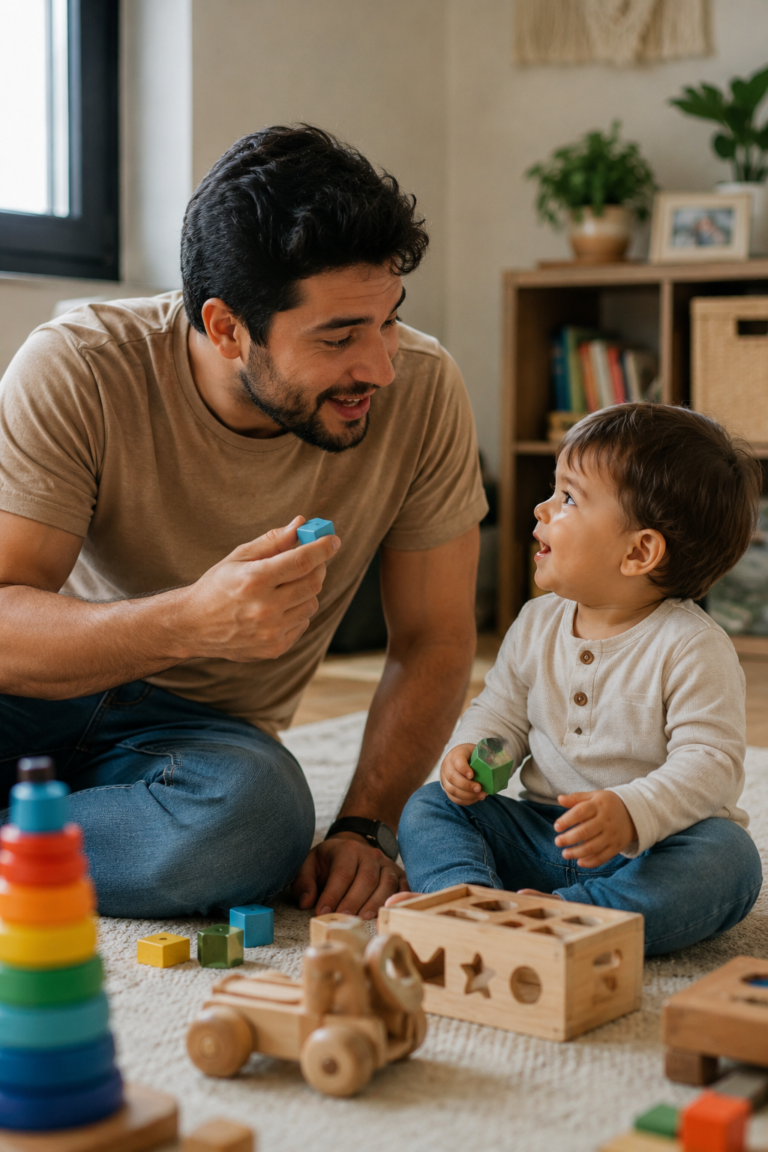
Building Speech During Everyday Family Activities
Use Mealtimes for Conversation
Simple comments like “more juice,” “hot soup,” or “crunchy cracker” can support both understanding and expression. Repetition during meals also helps children hear practical language patterns connected to familiar experiences they already understand.
Even children who are not yet speaking much can participate through gestures, eye contact, sounds, or facial expressions. Responding warmly to all forms of communication reinforces the idea that interaction matters and encourages continued participation.

Bring Language Into Errands and Outings
Pointing out things like “big truck,” “red apple,” or “dog running” helps children connect words to their environment. These simple observations also support joint attention, which plays an important role in communication development and early social learning.
Not every outing needs to become a lesson. Casual conversation and shared experiences are often enough to support language growth naturally. Children benefit from hearing language used in real situations rather than only through direct teaching.
Make Bath Time and Bedtime More Interactive
Songs, repetitive phrases, and playful routines like “wash toes” or “night-night teddy” provide consistent language exposure in a low-pressure setting. Children frequently begin anticipating familiar words and routines over time, which supports both understanding and participation.
Bedtime routines can also support early storytelling skills. Talking about the day, naming favorite activities, or looking at books together encourages language development while strengthening emotional connection at the same time.
Creating a Communication-Friendly Home Environment
Focus on Connection Over Perfection
Children learn language through relationships, shared experiences, and responsive interaction. Smiling, imitating sounds, responding to gestures, and engaging during play all support communication development even when they seem simple or ordinary.
Reducing pressure can also make communication feel safer and more enjoyable for children. When interactions remain playful and connected, children are often more willing to attempt new sounds, words, and social engagement over time.
Read Together in a Flexible Way
Reading supports language growth, but parents do not need to finish every page or read books exactly as written for reading time to be beneficial. Young children often learn best through interactive experiences that include pointing, labeling, repeating, and commenting together.
Talking about pictures, pausing for reactions, and following the child’s interests within the story can create richer communication opportunities than rushing through the text. Books with repetition, predictable phrases, or familiar topics are especially helpful for many toddlers.
Short reading moments throughout the day can also be effective. Even a few minutes of shared book time regularly can expose children to vocabulary, sentence patterns, and social interaction connected to language learning.
Celebrate Small Communication Steps
Parents sometimes focus heavily on milestones they hope to see next, but recognizing smaller changes can help maintain perspective and reduce stress. Communication growth builds layer by layer through repeated experiences and supportive interactions.
Celebrating effort rather than perfection also helps children feel successful during communication attempts. Positive responses encourage confidence, which can make children more likely to continue experimenting with language over time.
When Extra Support May Be Helpful
Understanding When to Reach Out
Parents are often the first to notice subtle concerns, including difficulty understanding language, limited attempts to communicate, reduced social interaction, or frustration during communication attempts. Trusting those observations can be an important step toward getting answers and support.
An evaluation can provide reassurance, practical guidance, or early intervention services depending on a child’s needs. Supportive professional input often helps families better understand how to encourage communication within everyday routines.
Signs It May Help to Speak With a Professional
- Limited babbling or sound play
- Difficulty understanding simple language
- Very few words compared to previous progress
- Frequent frustration during communication attempts
- Limited eye contact or shared interaction
- Difficulty combining words as expected for age
- Loss of previously used words or skills
Support Can Fit Naturally Into Family Life
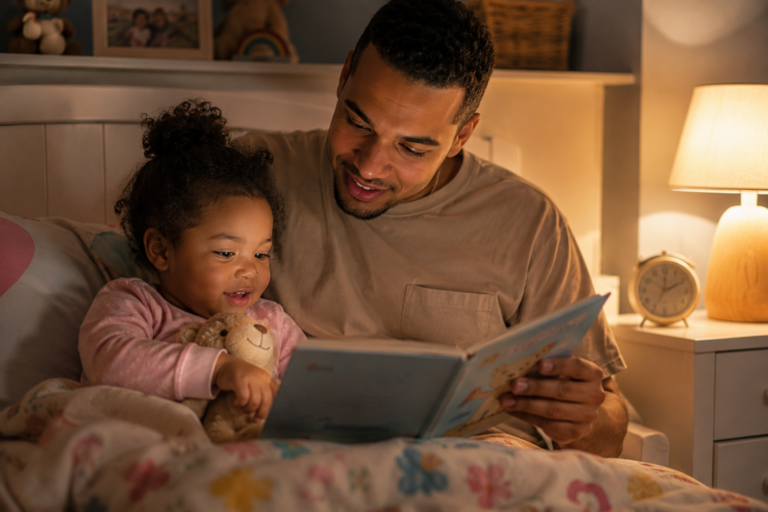
Families are often surprised by how manageable speech strategies can become once they are integrated naturally into daily life. Small changes in interaction style frequently make a meaningful difference over time without requiring hours of structured practice.
Early support can also help reduce stress and uncertainty for parents who feel unsure about what their child needs. Guidance tailored to a child’s unique communication profile often brings both clarity and reassurance.
Frequently Asked Questions
How can I build speech into my routine if I work full time?
Consistency matters more than long structured sessions. A few connected moments each day filled with responsive interaction, simple language, and shared attention can still create meaningful communication opportunities.
Do I need special activities to help my child’s speech?
Play, meals, errands, songs, books, and family conversations all support communication growth when parents stay engaged and responsive. Keeping speech practice natural often helps children participate more comfortably.
What if my child does not repeat words after me?
Instead of focusing only on imitation, continue modeling language during enjoyable interactions and respond positively to gestures, sounds, or other communication attempts. Language development often grows gradually through repeated exposure and connection.
Can too many questions make speech harder for some children?
Balancing questions with narration and playful interaction often creates a more relaxed communication environment. This approach helps children participate without feeling constantly tested.
Is screen time helpful for speech development?
When should I consider a speech evaluation?
Parents do not need to wait until concerns feel severe before asking questions. Early guidance can provide reassurance, monitoring recommendations, or support strategies tailored to a child’s needs.
Not Sure Where Your Child Falls?
Answer a few questions and we’ll tell you whether their development
looks on track — or whether it’s worth talking to an SLP.
A Few Final Thoughts on Building Speech Into Everyday Life
Supporting speech development does not require turning every moment into a lesson. Many of the best communication opportunities happen naturally through connection, shared routines, and simple everyday interactions that already exist within family life.
Children learn language gradually through repetition, emotional connection, and meaningful experiences with the people around them. Small moments like commenting during meals, singing during bath time, or pausing during play can build communication skills over time.
It is also important to remember that every child develops differently. Some children begin using new words quickly, while others need longer periods of observation, listening, and practice before communication growth becomes more noticeable.
The American Speech-Language-Hearing Association offers additional suggestions for supporting speech and language development at home through talking, reading, playing, and responding to your child.
By focusing on responsive interaction rather than perfection, families can create a warm communication-rich environment that supports speech and language development in a calm, realistic, and sustainable way.
The American Speech-Language-Hearing Association offers additional suggestions for supporting speech and language development at home through talking, reading, playing, and responding to your child.