
What Happens After Early Intervention Ends
For many families, early intervention becomes part of everyday life for months or even years. Therapy visits, developmental conversations, and small communication breakthroughs often create a steady rhythm that feels familiar and supportive. As a child approaches age 3, parents are frequently surprised to learn that early intervention services do not continue forever, and that another transition is approaching.
What happens after early intervention ends depends on each child’s unique strengths, challenges, and developmental needs. Some children no longer need services by that point, while others continue receiving support through preschool programs, outpatient therapy, or school-based services. The transition can feel emotional because families are leaving a system they have grown comfortable with while trying to understand what comes next.
It is also important to remember that the end of early intervention does not mean progress suddenly stops. Communication development continues throughout childhood, and many children keep building language, social interaction, and speech skills naturally over time. Other children may still benefit from structured support, especially as communication expectations increase in preschool and social environments.
Understanding the transition process ahead of time can help parents feel more confident and prepared. Knowing what evaluations may happen, what services might look like after age 3, and how speech therapy support can continue often makes this stage feel much less overwhelming for families.
Understanding the Transition Out of Early Intervention
Why Early Intervention Ends at Age 3
For many parents, this age cutoff can feel abrupt at first. However, the change reflects how children’s developmental needs often evolve as they grow. Toddlers who benefited from home-based or family-centered support may now be ready for preschool environments that encourage communication, social interaction, play, and early learning in group settings.
Ending early intervention does not automatically mean a child no longer needs help. Instead, it means the child may transition into new services that are managed through the local school district or another community-based program. Some children continue receiving therapy regularly, while others may simply benefit from developmental monitoring and supportive routines at home.
What the Transition Process Usually Looks Like
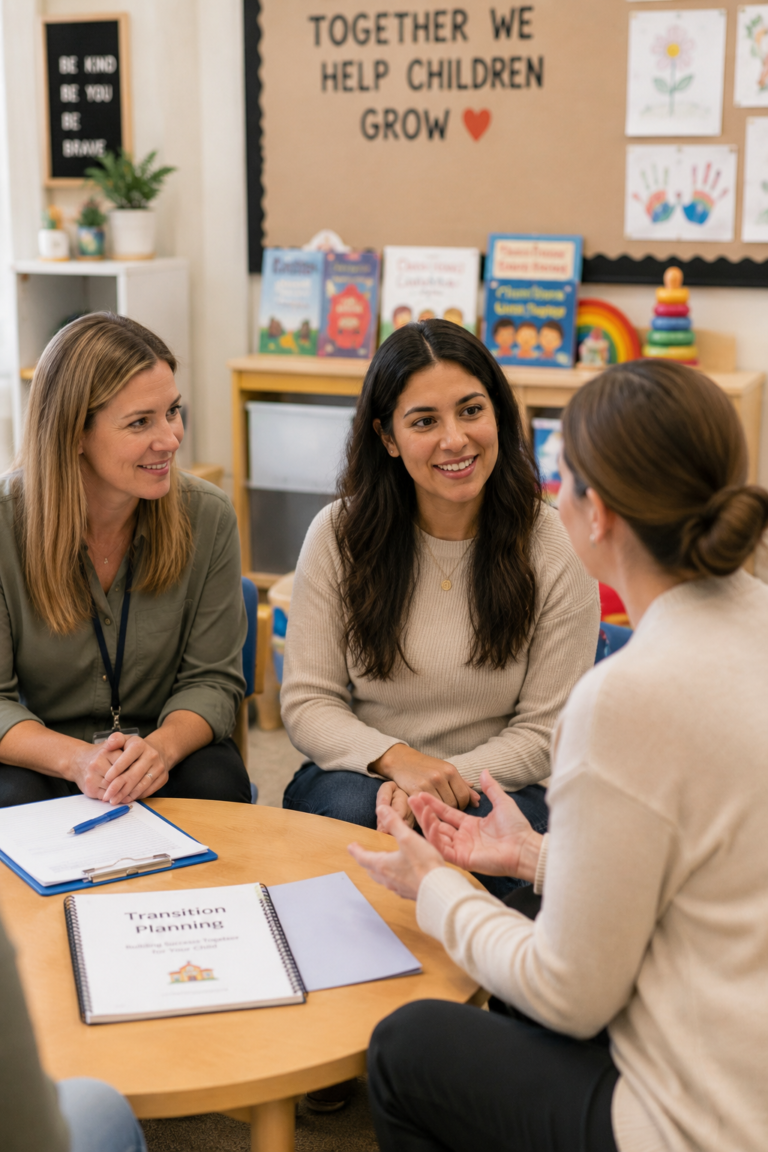
Most families begin discussing transition plans several months before a child turns 3. Early intervention teams often schedule meetings to review progress, discuss concerns, and explain possible next steps. This gives families time to ask questions and prepare emotionally for the changes ahead.
During this process, children may be referred for additional evaluations through the public school system. These assessments help determine whether a child qualifies for preschool special education services or therapy support after early intervention ends. Eligibility criteria can look different after age 3 because the educational system focuses more on how developmental challenges affect learning and participation in school environments. Understanding what happens at a speech and language evaluation can help families feel more prepared if their child is referred for continued speech therapy after Early Intervention.
Parents are often encouraged to visit preschool programs, learn about therapy options, and talk openly with providers about goals for communication, behavior, and social development. While paperwork and evaluations can sometimes feel stressful, many families find that having a clear transition plan helps reduce uncertainty.
How Families Often Feel During This Stage
Some parents also worry about whether their child is truly ready for fewer supports or larger classroom environments. Questions about speech development, social interaction, behavior, or school readiness may become more noticeable during this period. These concerns are understandable and extremely common among families navigating developmental services for the first time.
At the same time, this transition can also highlight how much progress a child has already made. Many families notice increased communication, stronger play skills, improved routines, and growing independence by the end of early intervention. Recognizing those gains can help parents approach the next stage with more confidence and perspective.
What Services May Continue After Early Intervention
Preschool Special Education Services
Unlike early intervention, which is often home-based, preschool services usually take place in educational settings. Therapy may happen inside the classroom, in small groups, or during individual sessions. The overall goal is to support participation in learning, communication, and social interaction within a preschool environment.
Eligibility for services can vary from one child to another. Some children continue qualifying for multiple supports, while others may only need speech therapy or occasional accommodations. Families are often surprised to learn that support plans after age 3 can look very individualized.
Private Therapy and Community Support
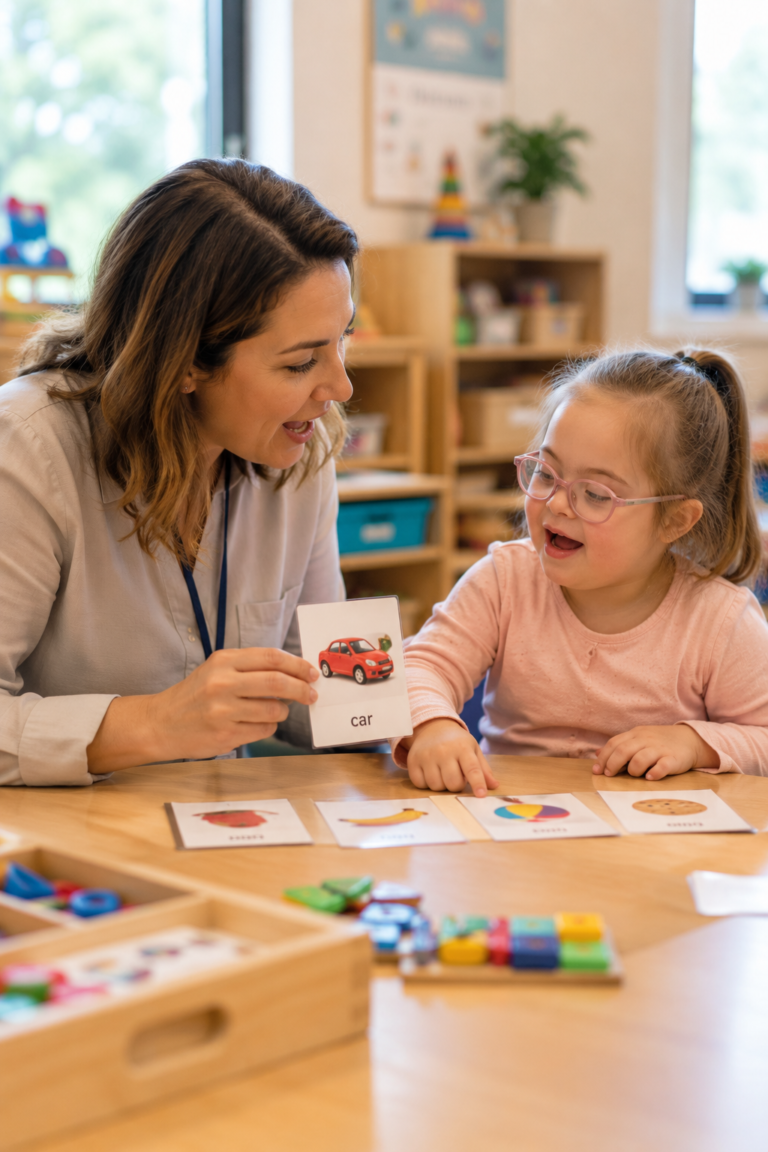
Private therapy settings can sometimes offer more scheduling flexibility or individualized treatment approaches. Families may decide to continue services because they still notice challenges at home, in daycare, or during social interactions. In many cases, therapy goals simply evolve to match the child’s new developmental stage.
Community programs can also provide valuable support after early intervention ends. Playgroups, library programs, preschool enrichment classes, and parent-child activities often help children continue practicing communication and social skills naturally through everyday interaction and play.
When Children No Longer Need Formal Services
It is important to remember that developmental growth is not always perfectly linear. Children continue learning rapidly during the preschool years, and new challenges can sometimes appear as language demands increase. Families should feel comfortable checking in with pediatricians, teachers, or speech-language pathologists if concerns reappear later on.
Many children who exit services continue thriving with strong support at home and in preschool settings. Daily routines, reading together, conversations during play, and opportunities for peer interaction can all continue supporting communication growth even without formal therapy sessions.
Supporting Your Child During the Next Stage
Helping Your Child Adjust to New Environments
Children often do best when parents prepare them gradually for upcoming changes. Talking positively about preschool, visiting new environments ahead of time, and maintaining predictable home routines can help create a stronger sense of security. Small preparation steps often make new settings feel less overwhelming.
Many children continue building communication skills naturally once they enter preschool environments filled with songs, play, peer interaction, and structured routines. While the transition may feel emotional at first, families often notice growing independence and confidence over time.
Staying Involved in Communication Development
Families do not need to recreate therapy sessions at home to make a positive impact. Instead, simple responsive communication strategies are often the most effective. Slowing down conversations, expanding on a child’s words, and creating opportunities for turn-taking can support ongoing language learning naturally throughout the day.
It can also help to stay connected with teachers and therapists if services continue after age 3. Sharing observations between home and school environments allows adults to better support communication goals consistently across settings.
Remembering That Development Continues Over Time
Some children who needed early intervention as toddlers go on to thrive academically and socially with minimal long-term support. Others continue benefiting from speech therapy or educational accommodations during preschool and elementary school. Neither outcome defines a child’s potential or future success.
Looking at the bigger developmental picture can help families feel less focused on rigid timelines. Growth often happens in waves, especially in early childhood, and continued progress over time is usually more meaningful than comparing children to exact milestone expectations.
When to Seek Help or Additional Support
Trusting Ongoing Concerns as a Parent
Families do not need to wait for problems to become severe before reaching out for support. Early conversations with pediatricians, preschool teachers, or speech-language pathologists can help clarify whether a child’s skills are developing as expected or whether additional evaluation may be helpful.
It is also important to remember that needing support later does not mean early intervention “failed.” Developmental needs can evolve over time, and children sometimes require different levels of support during different stages of childhood.
Signs That Additional Evaluation May Help
- Difficulty understanding or following directions
- Limited progress with speech clarity or vocabulary growth
- Frustration related to communication
- Difficulty interacting with peers
- Frequent behavioral outbursts connected to communication struggles
- Regression or loss of previously learned skills
- Concerns raised by preschool teachers or caregivers
Building a Long-Term Support Mindset

Focusing on progress rather than perfection can help reduce unnecessary stress during these transitions. Children develop at different rates, and communication growth often happens gradually through everyday experiences, relationships, and supportive environments.
Most importantly, families should know they do not have to navigate concerns alone. Pediatric providers, speech-language pathologists, educators, and early childhood specialists can all help guide decisions and provide reassurance as children continue growing beyond the early intervention years.
Frequently Asked Questions
Does early intervention automatically stop at age 3?
Ending early intervention does not necessarily mean all support disappears. Some children continue receiving speech therapy or developmental services through the school system, while others move forward successfully without ongoing formal intervention.
What happens if my child still needs speech therapy after early intervention?
Speech therapy after early intervention often focuses on preschool communication skills such as conversation, social interaction, understanding directions, articulation, and classroom participation. Therapy settings may also change depending on the child’s age and needs.
What is an IEP after early intervention?
The IEP outlines goals, therapy services, classroom supports, and educational accommodations designed to help the child participate successfully in preschool or school-based settings. Each plan is individualized based on the child’s strengths and areas of need.
Can my child still get help if they do not qualify for school services?
Many children also benefit from structured preschool environments, language-rich routines at home, and ongoing developmental monitoring. Parents should feel comfortable seeking guidance later if concerns continue or new challenges arise.
Is it normal to feel nervous about leaving early intervention?
These feelings are very common and understandable. Over time, many families adjust well to new routines and discover that preschool services, therapy options, and everyday developmental support continue helping children grow successfully.
Will my child eventually catch up completely?
Rather than focusing only on whether a child fully “catches up,” it is often more helpful to look at continued progress, communication growth, confidence, and participation in everyday activities. Many children make meaningful long-term gains over time with the right support.
Not Sure Where Your Child Falls?
Answer a few questions and we’ll tell you whether their development
looks on track — or whether it’s worth talking to an SLP.
A Few Final Thoughts on What Happens After Early Intervention Ends
Some children continue receiving services through preschool programs or private therapy, while others move forward successfully with less formal support. Both paths are common, and both can lead to positive developmental outcomes over time.
Parents do not need to have every answer immediately during this transition. Asking questions, staying involved, and continuing to support communication through everyday interaction often makes a meaningful difference as children grow into the preschool years.
Most importantly, early intervention ending is not the end of a child’s developmental journey. Communication, learning, social connection, and confidence continue building over many years, and families can keep supporting those skills one step at a time.
Want to learn more? The American Speech-Language-Hearing Association (ASHA) explains Early Intervention services, including how families can continue supporting communication as children transition to preschool and school-age services.