
What Early Intervention Speech Therapy Really Looks Like for Young Children
Early intervention speech therapy is designed for babies and young children who may need extra support with communication during the earliest years of development. Services often focus on helping children build foundational communication skills through everyday interactions, play routines, gestures, sounds, words, understanding language, and social connection. The goal is not to pressure children into performing, but to support communication growth in a natural and developmentally appropriate way.
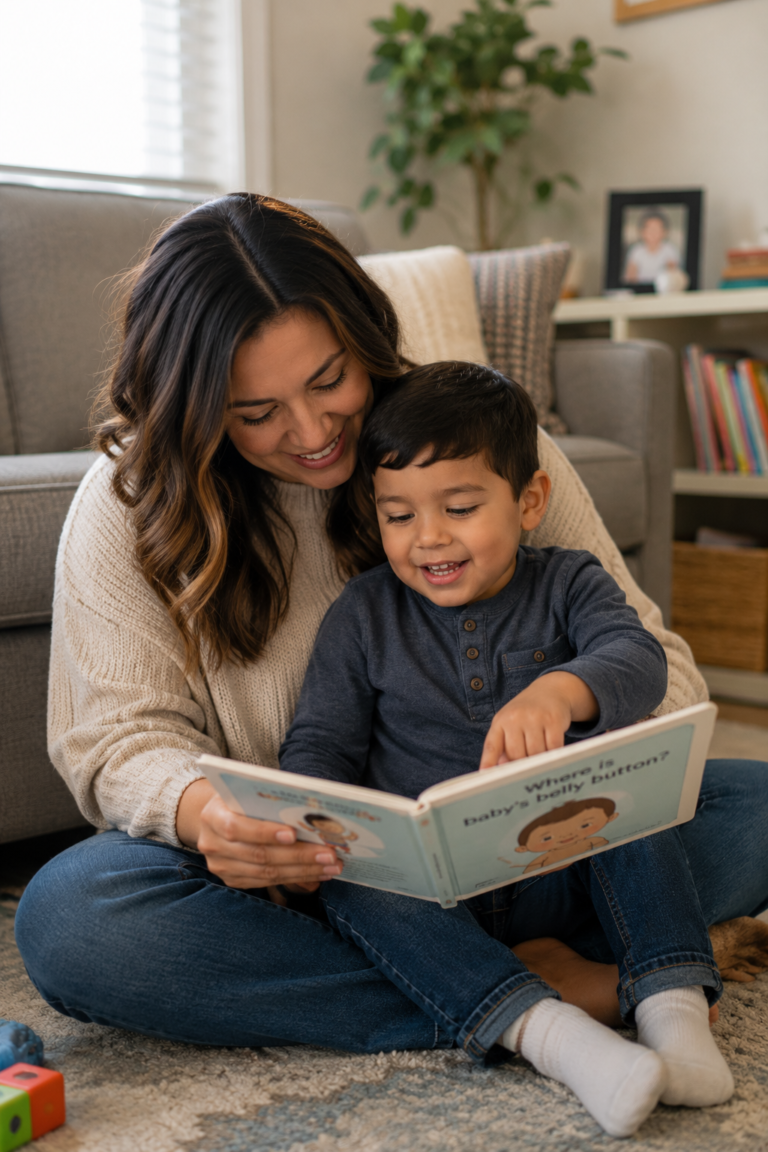
One of the most reassuring things for parents to know is that early intervention services are typically family-centered. Speech therapists often work closely with caregivers, helping them learn strategies they can comfortably use during meals, bath time, reading, play, and daily routines. Therapy for young children rarely looks like sitting at a table doing drills. Instead, it usually feels interactive, playful, responsive, and relationship-based.
Understanding how early intervention works can help families feel more confident about next steps. Whether your child is not yet using words, has trouble understanding language, struggles to interact socially, or simply seems delayed compared to peers, learning more about early support can make the process feel much less overwhelming.
How Early Intervention Speech Therapy Supports Communication Development
Why the Early Years Matter for Communication
Communication development is much broader than spoken words alone. Young children are also learning how to take turns, respond to their name, understand language, imitate sounds, use gestures, engage socially, and connect meaning to everyday experiences. A child who is not yet talking may still be communicating in many important ways, and therapy often helps strengthen those early building blocks first.
Families sometimes worry that seeking help too early could be unnecessary, but early support is often about guidance, monitoring, and creating opportunities for growth. Many parents feel relieved after learning that therapy is not about labeling a child. Instead, it focuses on helping children access communication tools during a very important developmental window.
What Speech Therapy Sessions Usually Look Like
Sessions may take place in the family home, daycare setting, clinic, or through teletherapy depending on the child’s needs and available services in the area. Therapists usually observe how the child communicates during familiar activities and then model strategies parents can use throughout the week. This collaborative approach helps communication practice become part of daily life rather than something limited to one therapy session.
Many parents are surprised that therapy often includes coaching for caregivers as much as direct interaction with the child. That is because children make the most progress when communication support happens consistently during ordinary routines with trusted adults. Small changes in how adults pause, respond, model language, or create opportunities for interaction can make a meaningful difference over time.
Skills Early Intervention May Address
Therapy goals are individualized because communication development varies widely in young children. One child may focus on imitation and joint attention, while another works on combining words, following directions, expanding vocabulary, or improving back-and-forth interaction. Speech-language pathologists consider the child’s overall developmental profile rather than looking at speech in isolation.
In some cases, communication differences may occur alongside broader developmental concerns involving motor skills, sensory processing, feeding, hearing, or social communication. Early intervention providers often collaborate with other professionals to support the child as a whole, helping families better understand how different areas of development connect.

What Families Can Expect During the Early Intervention Process
How Children Qualify for Early Intervention Services
The process usually begins with a referral or developmental evaluation. Parents can often self-refer without waiting for a pediatrician referral, which surprises many families. Evaluations are designed to gather information about how the child communicates, interacts, understands language, and participates in daily routines across different environments.
A developmental evaluation is not a test a child can pass or fail. Young children have fluctuating skills, different personalities, and varying comfort levels during assessments. Professionals typically look at patterns across multiple areas while also listening closely to family concerns and observations about everyday communication.
If you’re still deciding whether to pursue services, learn what Early Intervention really looks like day to day for families and how therapy is built into everyday routines.
What Parents Often Feel During This Stage
It can also feel validating when professionals take concerns seriously and provide practical guidance. Families often realize they have already been doing many helpful things naturally, and therapy simply gives them additional tools to encourage communication more intentionally throughout the day.
Progress in early intervention is rarely perfectly linear. Some children make rapid gains, while others develop more gradually over time. Communication growth may happen in bursts, with periods of slower progress followed by noticeable breakthroughs. Supportive guidance can help parents focus less on comparison and more on meaningful growth for their individual child.
How Therapy Goals Change Over Time
Therapists regularly adjust strategies based on the child’s strengths, interests, and emerging skills. Young children learn best when activities feel motivating and connected to real life, so therapy evolves alongside the child’s development rather than following a rigid program.
Some children participate in early intervention services for a relatively short time, while others continue receiving support as they transition into preschool-based services or outpatient therapy. Every child’s path looks different, and the length of services depends on individual needs rather than a fixed timeline.
The Bigger Picture of Early Communication Support
Communication Happens Throughout the Day
Because young children learn through relationships, responsive interaction matters more than creating perfect teaching moments. Simple actions like pausing expectantly, following the child’s interests, repeating meaningful words, or celebrating attempts to communicate can encourage stronger engagement and language growth over time.
Parents sometimes feel pressure to constantly “work on speech,” but communication support does not need to feel stressful or overly structured. Many of the most effective strategies fit naturally into ordinary family routines and playful interactions that already happen throughout the day.
The Role of Play in Speech Therapy
Different types of play create opportunities for different communication skills. Pretend play may encourage language expansion and storytelling, while turn-taking games help children practice interaction and social reciprocity. Songs and movement activities can support imitation, attention, listening, and sound development in enjoyable ways.
Play-based therapy is purposeful even when it looks simple from the outside. Therapists carefully observe how children initiate communication, respond to language, imitate actions, and engage socially during activities. These observations help guide strategies that match the child’s developmental level and communication style.
Supporting the Whole Family
Parents may learn how to recognize communication opportunities, respond to attempts at interaction, reduce frustration during routines, or create more balanced conversational exchanges. Small adjustments in everyday communication patterns can help children feel more motivated to connect and participate socially.
Perhaps most importantly, early intervention reminds families that communication development is a journey rather than a race. Children develop skills at different rates, and support exists not to create pressure, but to help children access meaningful ways to connect with the people around them.
When to Seek Help or Additional Support
Trusting Concerns Without Panicking
Seeking an evaluation does not automatically mean something is seriously wrong. In many cases, evaluations simply provide reassurance, developmental guidance, or short-term support while skills continue to emerge. Families do not need to wait until problems feel severe before asking questions about communication development.
It is also important to remember that milestones are ranges, not rigid deadlines. Some children develop more gradually while still making steady progress. Looking at overall communication patterns over time is usually more helpful than focusing on one isolated milestone.
Signs That May Warrant an Evaluation
- Limited babbling, gestures, or interaction during infancy
- Few or no words emerging by the toddler years
- Difficulty understanding simple language or directions
- Frequent frustration related to communication
- Loss of previously used words or social skills
- Very limited eye contact, imitation, or social engagement
- Speech that remains extremely difficult to understand beyond expected developmental stages
Taking the Next Step With Confidence
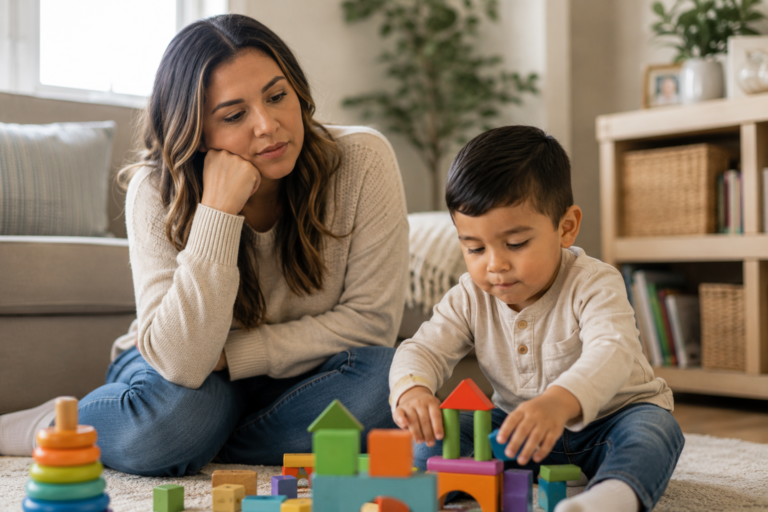
If your child qualifies for early intervention speech therapy, services are typically designed to feel supportive rather than intimidating. Therapists understand that young children develop in highly individual ways, and goals are meant to encourage communication growth within everyday life and relationships.
Families do not need to navigate communication concerns alone. Early support can help children strengthen important communication foundations while also giving parents practical tools, guidance, and reassurance along the way.
Frequently Asked Questions About Early Intervention Speech Therapy
Does early intervention speech therapy mean my child has autism?
At the same time, speech-language pathologists are trained to observe broader communication patterns that may suggest additional evaluation could be helpful. Therapy focuses on supporting communication development regardless of the underlying cause, while helping families better understand their child’s strengths and needs.
At what age can a child start speech therapy?
Therapy at young ages looks very different from traditional classroom learning. Sessions are usually play-based, interactive, and centered around caregiver involvement and everyday routines rather than structured academic activities.
Do parents participate in early intervention sessions?
This approach helps children practice communication skills in familiar environments with trusted adults. Parents are not expected to become therapists themselves, but their involvement can strongly support communication growth over time
Is early intervention only for children who are severely delayed?
Early support is often most effective when concerns are addressed before frustration and communication difficulties become more significant. Evaluations can provide useful guidance even when delays appear mild or uncertain.
How long does early intervention speech therapy last?
Therapy plans are individualized and adjusted over time. Progress may happen gradually, and goals often change as children grow and develop new abilities across different stages of communication.
Can children catch up without speech therapy?
An evaluation can help families better understand their child’s communication profile and whether intervention may be helpful. Seeking guidance early does not harm development and can provide reassurance, monitoring, or strategies that support continued growth.
Not Sure Where Your Child Falls?
Answer a few questions and we’ll tell you whether their development
looks on track — or whether it’s worth talking to an SLP.
Want to learn more? The American Speech-Language-Hearing Association (ASHA) explains early identification of speech, language, and hearing disorders, including how early intervention supports communication during the first years of life.
A Few Final Thoughts on Early Intervention Speech Therapy
Early intervention speech therapy is ultimately about helping young children build meaningful ways to connect, communicate, and participate in daily life. Support often begins with small moments of interaction that gradually strengthen language, understanding, social engagement, and confidence.
For parents, the process can feel emotional at first, especially when uncertainty about development is involved. Many families find reassurance in learning that early intervention is designed to be supportive, relationship-based, and centered around real-life routines rather than pressure or perfection.
Every child develops communication skills differently, and progress does not always follow a straight line. What matters most is noticing patterns, staying responsive to concerns, and seeking guidance when something feels worth exploring further.
Whether a child needs short-term support or more ongoing intervention, families do not have to navigate communication concerns alone. Early support can provide helpful tools, greater understanding, and encouraging next steps during some of the most important years of development.