
Dialogic Reading — What It Is and How to Do It
Story time often feels simple on the surface, but the way adults read with children can make a meaningful difference in language development. Dialogic reading is an interactive reading approach that turns books into conversations rather than one-sided reading sessions. Instead of reading every page straight through, parents pause, ask questions, respond to their child’s ideas, and encourage participation throughout the story.
For toddlers and preschoolers, this kind of shared reading creates natural opportunities to hear new words, practice communication, and build social connection. Children learn language best through responsive interactions, and books provide a calm, predictable setting where those interactions can happen repeatedly. Even children who are not yet talking much can participate through pointing, gestures, sounds, facial expressions, and simple word attempts.
Many parents already do pieces of dialogic reading without realizing it. Asking “Where’s the dog?” or waiting for a child to finish a familiar phrase are both examples of interactive reading. The goal is not to quiz children or make reading feel academic. Instead, the focus is on creating back-and-forth communication that feels playful, warm, and connected.
Dialogic reading can also reduce pressure during language practice because the book becomes the shared focus rather than the child feeling put on the spot. Over time, these small conversational moments help support vocabulary growth, listening skills, attention, comprehension, and early storytelling abilities in ways that feel natural for everyday family life.
What Dialogic Reading Actually Looks Like
Reading With Your Child Instead of To Your Child
This approach can begin very early, even before children are speaking in full words or sentences. A toddler might point to a picture, imitate an animal sound, or smile at a favorite page. When adults notice and respond to those moments, they create the kind of responsive communication that supports language learning naturally.
Children usually stay more engaged when reading feels interactive. Instead of rushing through the book, parents slow down enough to notice what captures their child’s attention. That flexibility often makes story time feel calmer and more enjoyable for both the child and the adult.
Why Repetition Helps Language Grow
During dialogic reading, repeated phrases create opportunities for children to fill in words, imitate sounds, or attempt simple phrases. A child who initially only listens may later point to pictures, then eventually begin labeling objects or repeating favorite lines from the story.
Repetition also reduces cognitive load for toddlers who are still learning language. When the storyline is predictable, children can focus more energy on communication itself. This is one reason simple repetitive books are often especially effective for toddlers and late talkers.
Following Your Child’s Lead During Books
Following a child’s interests helps maintain engagement and supports joint attention, which is an important foundation for communication development. When adults respond to what children notice, children learn that communication has value and that their ideas matter within interactions.
This flexible style of reading also helps reduce stress for parents who worry about reading perfectly. Dialogic reading is less about finishing books and more about creating meaningful conversational moments throughout story time.
Simple Dialogic Reading Techniques Parents Can Use
Asking Open and Simple Questions
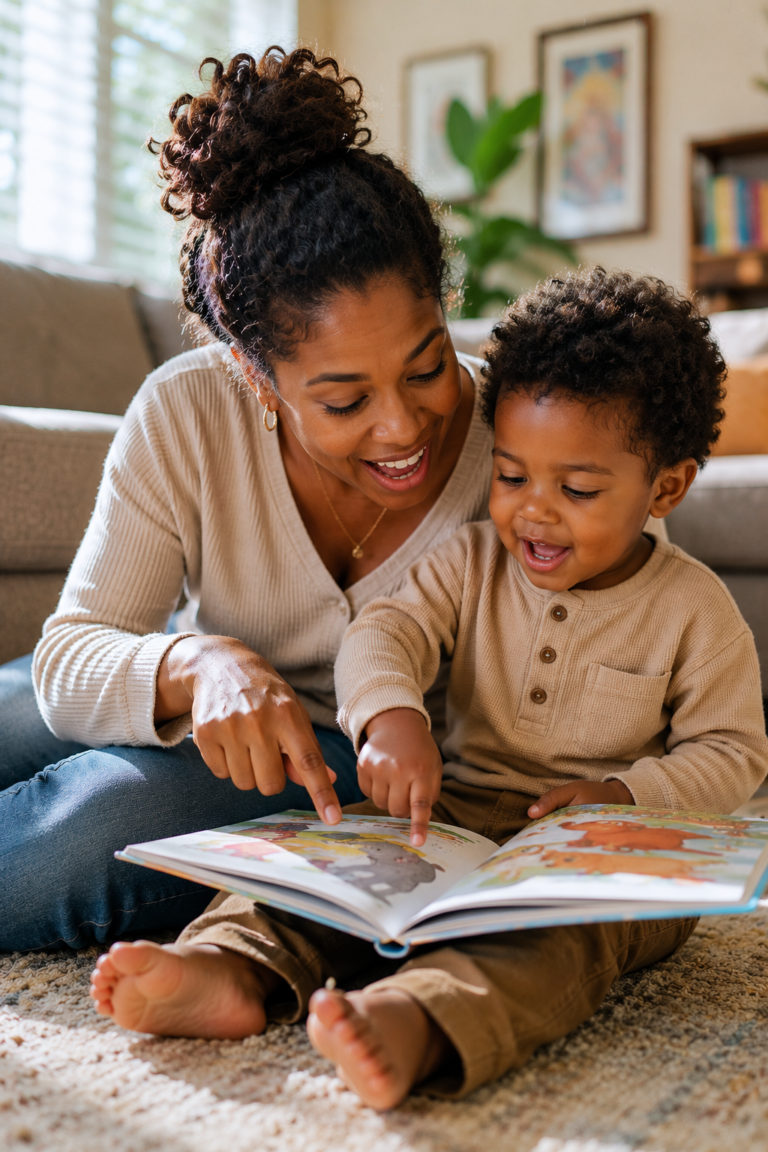
For younger toddlers or children with speech delays, questions should remain simple and supportive rather than demanding. A child does not need to answer verbally to benefit from participation. Pointing, looking, smiling, or making sounds are all meaningful forms of communication during early development.
As children grow, parents can gradually expand questions to encourage longer responses. Asking about emotions, predictions, or story events helps strengthen comprehension and conversational skills while keeping reading enjoyable and interactive.
Expanding What Your Child Says
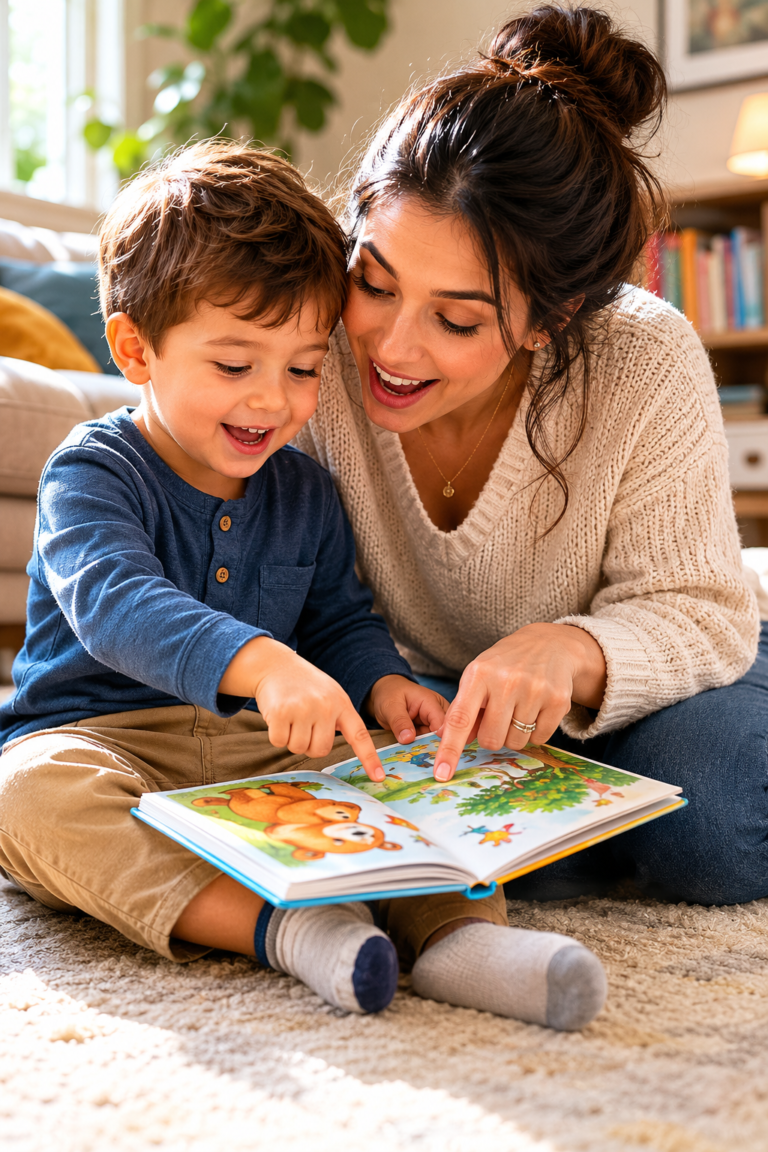
This technique exposes children to richer language without directly correcting them or requiring imitation. Children hear how words connect naturally into longer phrases and sentences while still feeling understood and successful during communication attempts.
Expansions work especially well during shared reading because books naturally provide visual support. Children can connect the words they hear with pictures on the page, making new vocabulary easier to understand and remember over time.
Using Wait Time During Story Time
Some toddlers need several extra seconds before responding, especially children who are still developing expressive language skills. Waiting quietly while maintaining a warm expression often creates more opportunities for communication than immediately moving on or answering for the child.
These pauses can feel surprisingly long at first, but they are valuable for building confidence and participation. Over time, children often begin initiating more comments and interactions during reading because they learn there is space for their communication within the conversation.
Choosing the Best Books for Dialogic Reading
Books With Repetition and Predictable Language
Certain types of books naturally support dialogic reading better than others. Repetitive stories with predictable phrases give children more chances to participate because they can anticipate familiar words and patterns. Books with recurring lines often encourage children to join in before they can independently read or speak in full sentences.
Simple stories also make it easier for parents to pause frequently and focus on interaction rather than getting through long sections of text. Toddlers usually benefit more from shorter engaging books than from complex stories with dense language and limited opportunities for participation.
Popular repetitive books often become favorites because children enjoy knowing what comes next. That predictability supports confidence and creates natural opportunities for imitation, turn-taking, and early expressive language development.
Children also learn through repetition in songs and nursery rhymes. Read How Singing Helps Toddlers Learn First Words for more simple ways to build vocabulary every day.
Picture Books That Encourage Conversation
Children often stay engaged longer when they can visually explore the page. Pointing to interesting details, labeling objects, or talking about what characters are doing all support vocabulary and comprehension in meaningful ways.
Books connected to a child’s interests can also increase participation. A toddler fascinated by animals, trucks, or food may communicate more during books related to those topics because motivation and engagement are naturally higher.
Making Reading Feel Relaxed and Enjoyable
Parents sometimes worry they are not doing enough during reading sessions, especially if their child has delayed language skills. In reality, short consistent interactions often matter more than long highly structured sessions. Even a few minutes of responsive shared reading each day can support communication development over time.
A calm and playful atmosphere also helps children associate books with connection and enjoyment. That positive emotional experience encourages ongoing engagement with reading and language throughout early childhood.
When to Seek Help or Extra Support
When Reading Interactions Feel Difficult
These situations do not automatically mean something is wrong, but they can sometimes signal that additional support may be helpful. Communication development varies widely in early childhood, and many factors influence how children engage socially and linguistically during reading activities.
Parents who feel uncertain about their child’s language development should trust their observations and discuss concerns with a pediatrician or speech-language pathologist. Early support can often provide reassurance, practical strategies, and guidance tailored to the child’s individual needs.
Signs It May Be Helpful to Talk With a Professional
- Limited response to name or spoken language
- Very few gestures, sounds, or words by expected developmental ranges
- Difficulty understanding simple directions
- Loss of previously used words or communication skills
- Minimal interest in social interaction during play or reading
- Frustration related to communication challenges
Support Can Be Collaborative and Encouraging
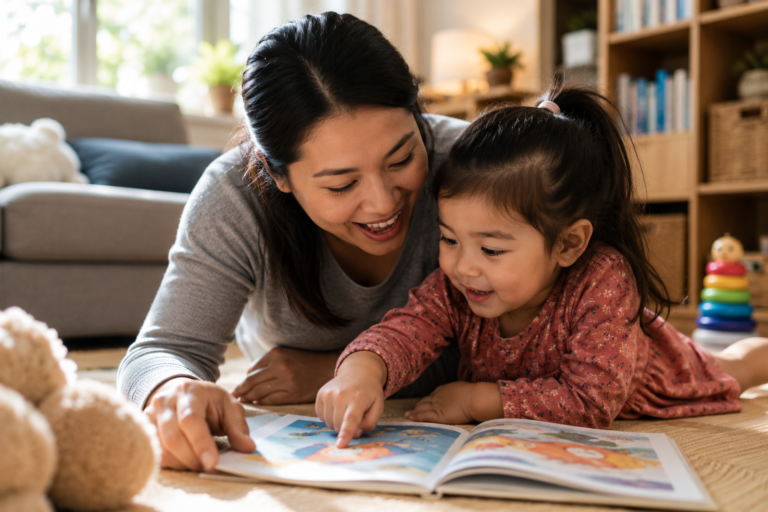
Parents do not need to become experts overnight to support language growth at home. Small changes in interaction style can create meaningful opportunities for communication throughout daily routines, including story time, meals, play, and bedtime.
Most importantly, children benefit from feeling connected and understood during interactions. Warm responsive communication builds the foundation for language development far more effectively than pressure or perfection.
Frequently Asked Questions About Dialogic Reading
What is dialogic reading in simple terms?
This approach helps support language development because children learn communication best through responsive interactions. Even toddlers who are not yet using many words can benefit through gestures, sounds, eye contact, and shared attention during books.
At what age can you start dialogic reading?
The strategies simply change with development. Younger children may benefit from labeling and pointing activities, while older preschoolers can answer questions, predict story events, and discuss emotions or problem-solving within books.
Does dialogic reading help late talkers?
Books also provide predictable repetition, which can help children practice understanding and using language over time. Many speech therapists use interactive reading techniques during therapy sessions with young children.
How long should dialogic reading sessions last?
Short sessions are often most effective for toddlers and young children. Even five to ten minutes of responsive shared reading can support communication development when done consistently and enjoyably.<br><br>
The quality of interaction usually matters more than the length of the session. Following the child’s interests and keeping reading emotionally positive tends to work better than trying to force longer structured reading periods.
What types of books work best for dialogic reading?
Books with repetition, engaging pictures, and predictable language patterns often work especially well for dialogic reading. Lift-the-flap books, repetitive stories, and simple picture books usually create many opportunities for interaction and participation.<br><br>
Children also tend to engage more with books connected to their personal interests. Familiar favorite books are valuable because repeated exposure supports both comprehension and expressive language development.
Should I correct my child during dialogic reading?
Not Sure Where Your Child Falls?
Answer a few questions and we’ll tell you whether their development
looks on track — or whether it’s worth talking to an SLP.
A Few Final Thoughts on Dialogic Reading for Toddlers
Dialogic reading helps transform story time into a meaningful communication experience where children learn through connection, interaction, and shared attention. Small conversational moments during books often support language development more naturally than parents realize.
Many families already use pieces of dialogic reading instinctively when they pause to ask questions, label pictures, or respond to their child’s excitement during stories. Becoming slightly more intentional with those interactions can create even more opportunities for language growth over time.
Children do not need perfectly structured reading sessions to benefit from books. Warm responsive interactions, repetition, and playful conversation are often the most important ingredients for supporting communication during early childhood.
For more book recommendations and tips for reading with young children, visit Reach Out and Read, a nonprofit organization that promotes early literacy and language development.
For parents navigating speech or language concerns, dialogic reading can become one gentle and practical way to build communication into everyday life while also strengthening connection, confidence, and enjoyment during shared routines together.