
Can Music Help Late Talkers Learn to Communicate?
Music supports several of the same foundational skills involved in speech and language development. Rhythm, repetition, listening, imitation, memory, and social interaction all play important roles when children learn to communicate. Songs also tend to slow language down in a way that feels predictable and engaging for toddlers, which can make words easier to notice and remember during everyday routines.
It is important to remember that music alone does not “fix” a language delay, and not every child responds to musical activities in the same way. Some children become highly engaged through singing and movement, while others may prefer books, pretend play, or sensory activities. Still, music often provides a low-pressure and emotionally connected way for families to encourage communication without turning interactions into structured practice sessions.
This article explores how music can help late talkers, why rhythm and repetition matter for language learning, and how parents can use simple musical routines throughout the day. You will also learn when musical engagement may support speech growth naturally and when additional support from a speech-language pathologist may still be helpful.
Why Music Often Connects With Late Talkers
Rhythm Helps Children Anticipate Language
Songs also slow language down in a way that can make individual words easier to process. Parents often naturally exaggerate rhythm, pauses, and intonation while singing, which helps toddlers focus on important parts of communication. A child may not imitate a spoken phrase during play, but they may attempt part of the same phrase when it appears in a favorite song they hear every day.
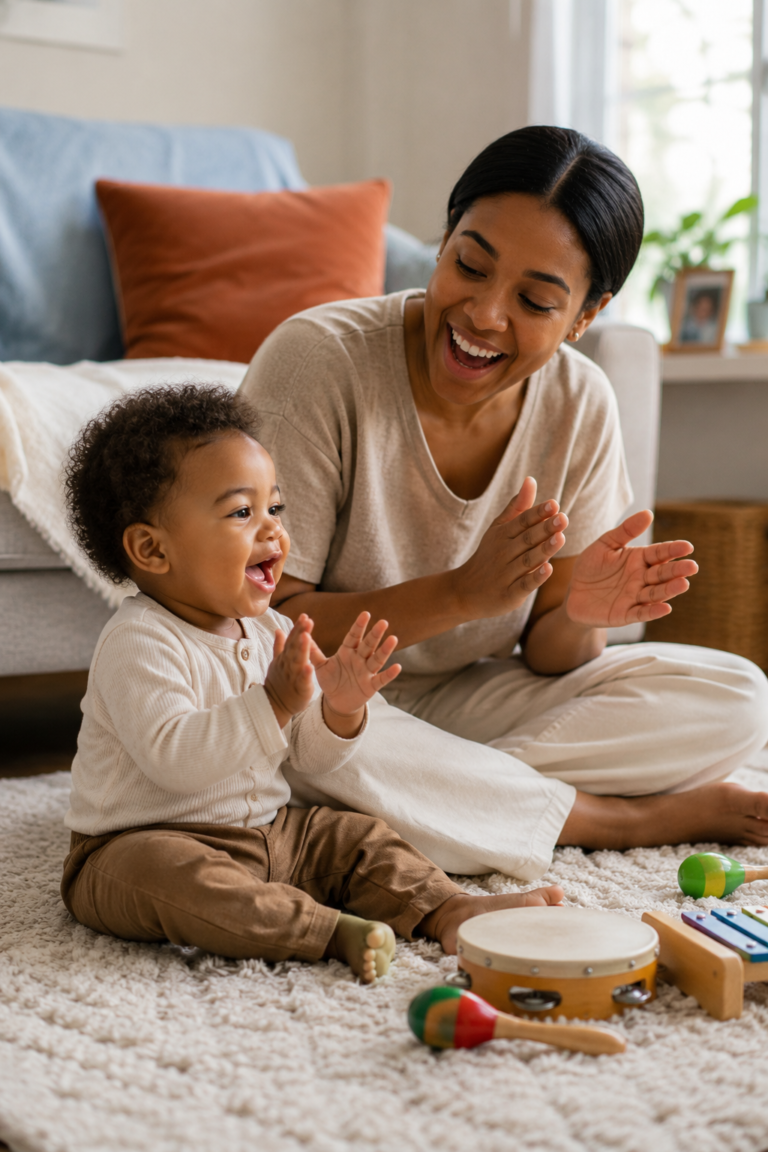
Rhythm can also support attention and participation. Toddlers frequently move, clap, bounce, or sway during songs, which keeps them engaged socially while hearing language repeatedly. This combination of movement, listening, and emotional connection can create strong learning opportunities for communication growth.
Repetition Builds Familiarity With Words
Late talkers sometimes need far more exposure to words before attempting to use them independently. Music creates repeated opportunities to hear the same vocabulary in a fun and emotionally meaningful context. Songs about animals, body parts, routines, or actions can help reinforce vocabulary that children also hear throughout daily life.
Parents are often surprised to notice that their child first imitates speech during songs rather than conversation. This can happen because music reduces some of the social pressure involved in direct talking. Instead of being asked to “say it,” the child participates alongside the rhythm and routine of the song itself.
Music Creates Shared Attention and Connection
Simple musical games like pausing before a favorite word or waiting for a child to gesture during a song can help build communication opportunities naturally. Many parents notice that their child becomes more socially engaged during singing than during other activities. Even small responses like smiling, looking toward a parent, or vocalizing during songs can support early communication development.
Music also tends to reduce stress for both parents and children. When communication feels playful instead of pressured, interactions often become more relaxed and enjoyable. This emotional safety can make it easier for children to experiment with sounds, gestures, and eventually words over time.
Simple Ways to Use Music Throughout the Day
Singing During Daily Routines
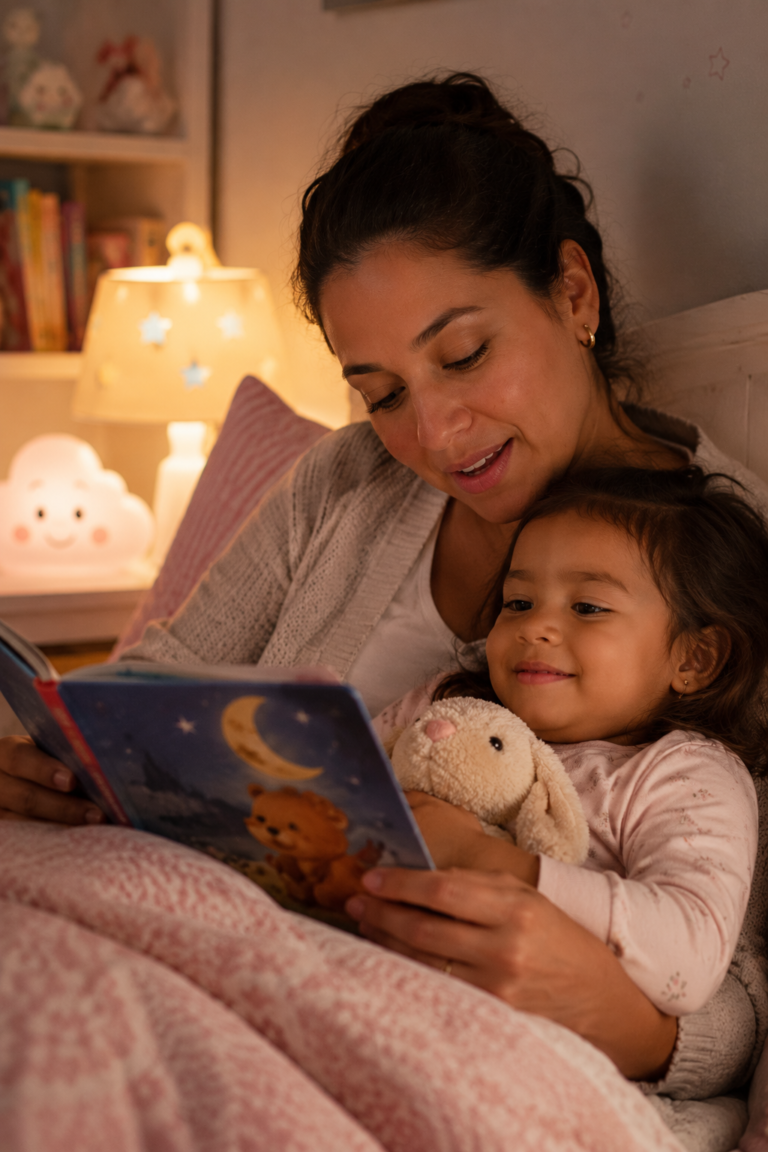
Music does not need to feel like a formal activity to support language development. Some of the most effective musical interactions happen during routines families already do every day. Singing while getting dressed, cleaning up toys, brushing teeth, or driving in the car helps toddlers hear repeated language connected to familiar experiences.
Routine songs are especially helpful because children begin anticipating both the activity and the words associated with it. Even very short repetitive songs can help build understanding and participation. A simple cleanup song repeated consistently may eventually encourage a toddler to imitate gestures, sounds, or parts of familiar phrases.
Parents do not need strong singing voices to make musical routines effective. What matters most is interaction, repetition, and emotional connection. Toddlers respond more to familiar voices and shared attention than to musical perfection.
If you’re looking for simple ways to use songs throughout the day, read How Singing Helps Toddlers Learn First Words for practical ideas you can use during everyday routines.
Using Pause-and-Wait Strategies
For example, a parent might sing, “Twinkle, twinkle, little…” and wait expectantly before continuing. Some toddlers may fill in the missing word, attempt a sound, gesture excitedly, or make eye contact to continue the interaction. All of these responses support communication development, even when clear words are not yet emerging consistently.
The key is keeping the interaction playful and responsive. If the child does not respond, parents can simply continue singing while modeling enjoyment and connection. The goal is participation and engagement rather than perfect speech production.
Combining Movement With Music
Songs with gestures also give children additional ways to communicate before words become consistent. A toddler may imitate hand motions for “Itsy Bitsy Spider” long before verbally attempting the song itself. These early nonverbal responses still reflect important communication growth and social participation.
Many speech-language pathologists encourage families to focus on joyful interaction rather than performance. Music should feel flexible, playful, and relationship-centered. Short, frequent moments of singing and movement throughout the day are often more beneficial than trying to create long structured sessions.
What Music Can and Cannot Do for Speech Development
Music Supports Communication Foundations
Children often learn through emotionally meaningful repetition, and music naturally provides repeated language in a highly engaging format. Musical routines may also help families create more opportunities for communication throughout the day without needing specialized materials or lengthy activities.
At the same time, progress may happen gradually and unevenly. A toddler may sing parts of songs before using words conversationally, or they may participate through gestures and sounds for a long time before speech becomes more consistent. This variation is common in early language development.
Every Child Responds Differently
It is also important to remember that singing along to songs does not automatically mean a child understands or uses language functionally in conversation. Some toddlers memorize songs very well while still struggling with spontaneous communication. This is one reason developmental progress should always be viewed broadly rather than through one skill alone.
The goal is not to make children perform songs perfectly. Instead, music should support engagement, interaction, enjoyment, and opportunities for communication within everyday family life.
Music Can Complement Speech Therapy
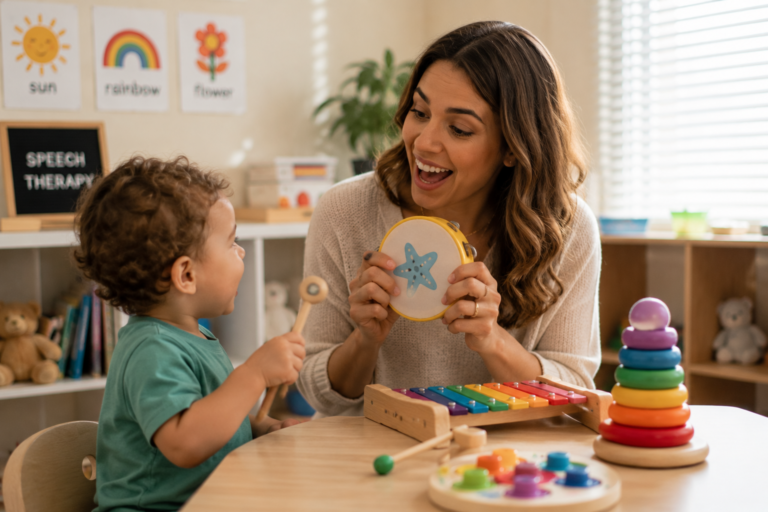
Music is often most effective when used alongside responsive interaction and, when needed, professional support. Speech-language pathologists frequently incorporate songs, rhythm, movement, and play-based routines into therapy because these approaches can help children stay engaged and motivated during communication activities.
Families can also use music to reinforce strategies recommended during speech therapy sessions. Repeating familiar songs at home may help toddlers practice turn-taking, imitation, gestures, or early words in ways that feel natural and enjoyable. Consistency across routines often helps children build confidence with communication.
If a child has significant speech or language delays, music should not replace evaluation or therapy when concerns are present. Instead, it can become one supportive tool within a broader approach focused on helping the child communicate more comfortably and effectively.
Looking for simple activities to try at home? Explore Music Activities to Encourage Speech at Home for easy ways to combine music, movement, and communication during everyday routines.
When to Seek Help or Additional Support
Understanding When Concerns May Need Attention
Parents may notice that their child enjoys listening to songs but rarely attempts words, has difficulty understanding language, or struggles to interact socially during everyday activities. These observations can provide helpful information when considering whether additional support may be beneficial.
Trusting your instincts as a parent matters. If communication feels consistently difficult, frustrating, or significantly different from what you expected, speaking with a pediatrician or speech-language pathologist can help provide guidance and reassurance.
Signs It May Be Helpful to Seek Support
- Limited use of gestures, sounds, or words by toddler age
- Difficulty responding to names or simple language consistently
- Loss of previously used words or social interaction skills
- Frustration related to communication difficulties
- Minimal interest in interacting with others during play or routines
- Concerns about understanding language as well as expressing it
Support Can Be Playful and Encouraging
A speech-language pathologist can help identify strengths, answer questions, and provide strategies tailored to a child’s individual communication style. In many cases, parents leave evaluations feeling more informed and reassured, even if only monitoring is recommended initially.
Music can remain an important part of communication growth throughout this process. Whether through singing routines, movement songs, or playful musical interaction, these shared experiences continue supporting connection and language learning at home.
Frequently Asked Questions
Can music help late talkers learn words?
Music works best when it is interactive rather than passive. Singing together, pausing during favorite songs, using gestures, and repeating simple routines throughout the day often create more communication opportunities than simply playing background music alone.
Why do some toddlers sing before they talk conversationally?
This does not always mean conversational language will immediately follow, but it can still reflect meaningful engagement with sounds, words, and communication patterns. Many children gradually begin transferring familiar words from songs into everyday interactions over time.
Is listening to music enough to improve speech development?
What types of songs are best for late talkers?
Children usually respond best to songs they hear consistently during enjoyable interactions. Familiarity matters more than choosing educational or complicated music specifically designed for language development.
Can music replace speech therapy?
Music often works best as one supportive tool within a broader communication approach. Many therapists already incorporate songs and rhythm into play-based sessions because they help children stay engaged and motivated.
What if my child does not seem interested in music?
The most important factor is responsive interaction with caregivers. Communication develops through connection and shared experiences, whether those moments involve songs, play, books, or everyday routines together.
Not Sure Where Your Child Falls?
Answer a few questions and we’ll tell you whether their development
looks on track — or whether it’s worth talking to an SLP.
A Few Final Thoughts on Music and Late Talkers
Music can create joyful opportunities for connection, interaction, and communication during everyday family life. For many late talkers, songs provide a comfortable and engaging way to participate socially while hearing language repeated naturally and consistently.
At the same time, communication development is highly individual. Some children respond strongly to music, while others build language more effectively through different kinds of play and interaction. Progress may happen gradually, and it often looks different from one child to another.
Parents do not need special training or musical ability to use songs meaningfully at home. Simple routines, playful repetition, movement, and shared attention often matter far more than singing perfectly or creating structured activities.
For more ideas about supporting early communication through everyday routines and play, visit the family resources from ZERO TO THREE.
If concerns about communication continue, seeking guidance from a speech-language pathologist can provide clarity and support. Music can remain a valuable part of the journey, helping children feel connected, engaged, and encouraged as they continue building communication skills.