
Should I Use Baby Talk With My Toddler?
The answer depends on what people mean when they say “baby talk.” Some speech patterns that adults use with babies and toddlers are actually very helpful for language learning. Other habits may be less useful once children begin developing larger vocabularies and stronger communication skills.
Research has shown that young children benefit from hearing clear, engaging language from the people around them. The way adults speak can capture attention, support understanding, and help children learn new words. The goal is not necessarily to sound like another adult during every interaction but to provide language that is easy to understand and meaningful.
In this article, we’ll explore the difference between helpful parentese and traditional baby talk, how toddlers learn language from everyday conversations, and what speech therapists generally recommend as children move through the toddler years.
Understanding What People Mean by Baby Talk
What Is Parentese?
Researchers have found that parentese helps many children pay attention to speech. The exaggerated patterns make language stand out and can help toddlers notice sounds, words, and conversational cues more easily.
Speech therapists frequently encourage parents to continue using parentese during the early years because it combines warmth, attention, and clear language models. The important feature is that adults are still speaking correctly rather than replacing words with immature speech forms.
Traditional Baby Talk Is Different
While occasional playful language is not harmful, toddlers benefit most from hearing accurate speech models. Children learn language by listening to the people around them, so hearing the correct version of words gives them stronger examples to imitate over time.
Many parents worry that using a playful voice means they are doing something wrong. In reality, the issue is usually not the tone of voice but whether the language itself remains accurate and meaningful.
Why Toddlers Need Good Language Models
When adults consistently use clear language, children hear correct sentence structures and word forms repeatedly. Those repetitions help support language learning in natural and meaningful ways.
Good language models do not need to sound formal or overly advanced. They simply provide accurate language that matches the child’s developmental level while exposing them to new words and ideas

How Talking Style Influences Language Development
Attention Comes Before Learning
This is one reason parentese appears to be so effective. It helps create shared attention between parent and child, which is an important foundation for language development.
A toddler who is actively engaged in a conversation is more likely to process the words being used and connect them to objects, actions, and experiences in the environment.
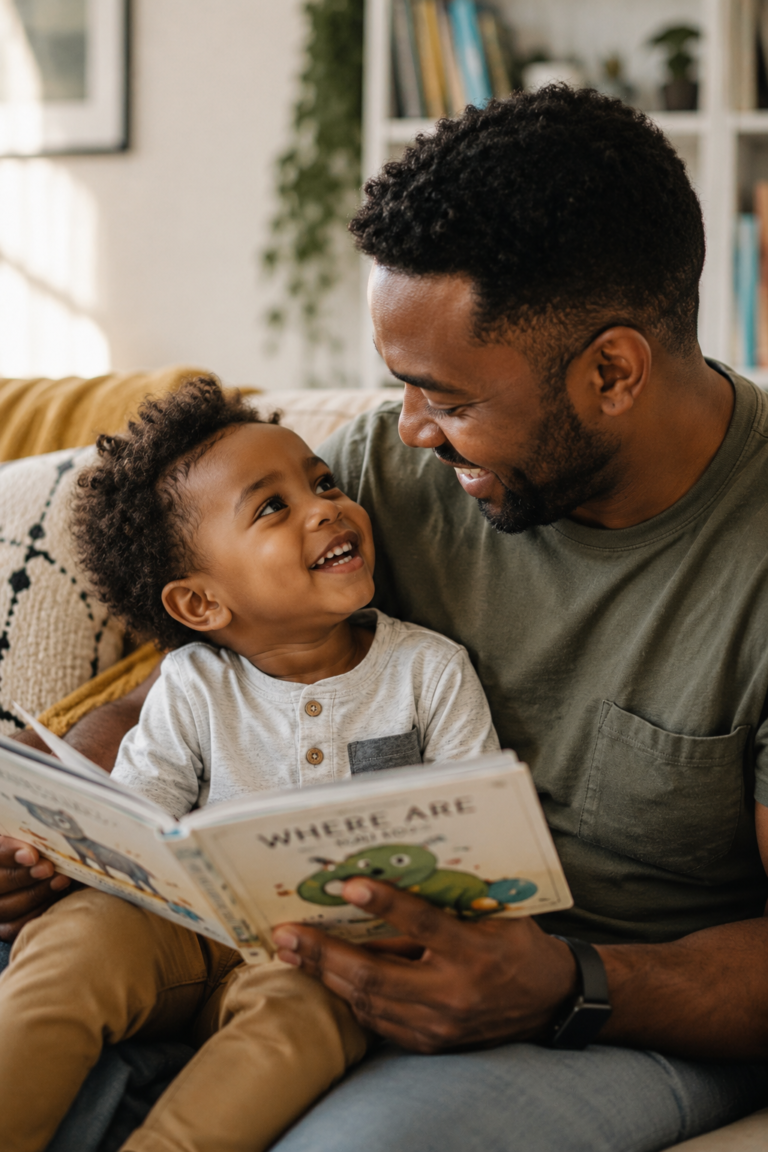
Real Conversations Matter More Than Perfect Words
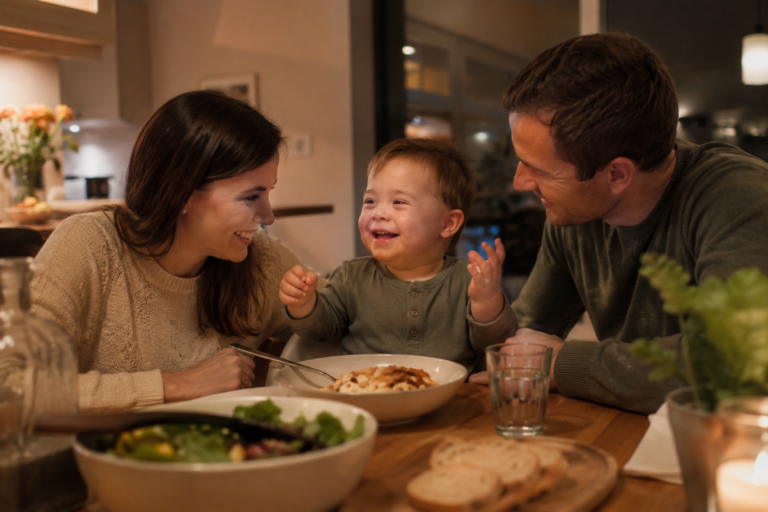
Talking during meals, playtime, bath time, errands, and bedtime gives toddlers repeated exposure to language that relates directly to their experiences. These conversations are often more valuable than structured teaching activities.
Children learn best when language has a purpose. Meaningful conversations help toddlers understand not only words but also how communication works in daily life.
Expanding Language Naturally
As toddlers begin using more words, adults can help by gently expanding what children say. If a toddler says “car,” a parent might respond with “Yes, that’s a big red car.”
This approach introduces new vocabulary and sentence structures without pressuring the child to repeat anything. It keeps communication enjoyable while providing richer language input.
Speech therapists often recommend expansions because they build on the child’s interests and current language level, creating a natural pathway toward more advanced communication skills.
If you’re wondering how to respond when your toddler says only one or two words, How to Expand Your Child’s Language Without Drilling shows simple ways to build longer phrases during everyday conversations without making talking feel like a lesson.
Finding the Right Balance
You Do Not Need to Sound Formal
Toddlers benefit from enthusiasm, facial expressions, gestures, and emotional connection. These features help make communication enjoyable and memorable.
The goal is not to sound formal or robotic. Instead, focus on speaking clearly while maintaining the playful and responsive interactions that encourage communication.
Follow Your Child's Lead
Many of the best language-learning opportunities happen when parents talk about what their child is already interested in. Following a toddler’s focus helps keep conversations meaningful and engaging.
When children feel heard and understood, they are often more motivated to communicate. Shared attention creates a natural environment for learning new words and concepts.
Rather than constantly directing the interaction, try observing what interests your child and building language around those moments.
Following your child’s interests is one of the most effective communication strategies. You can learn more in The Best Types of Play for Late Talkers, which explains why child-led play creates natural opportunities for language growth.
Consistency Matters More Than Perfection
A loving, responsive communication environment is far more important than following rigid rules about how to speak. Consistent interaction gives children repeated opportunities to learn and practice communication.
The most helpful approach is usually simple: talk often, listen carefully, and enjoy conversations with your child throughout the day.
When Communication Concerns Persist
Trust Your Observations
Every child develops at their own pace, and developmental differences are common. However, persistent concerns deserve attention and discussion with qualified professionals.
Seeking guidance does not automatically mean something is wrong. It simply provides an opportunity to better understand your child’s communication strengths and needs.
Signs That May Warrant Further Evaluation
Some communication patterns may justify speaking with a speech-language pathologist or pediatrician.
- Very limited use of words compared with developmental expectations
- Difficulty understanding simple directions
- Reduced interest in communication or social interaction
- Loss of previously acquired words or skills
- Persistent frustration related to communication challenges
- Concerns raised by caregivers, teachers, or healthcare providers
Early Support Can Be Helpful
Speech-language pathologists evaluate communication skills across many areas, including understanding language, expressive language, play, social communication, and speech sound development.
If you are uncertain whether your child’s communication skills are progressing as expected, discussing concerns with a qualified professional can be a helpful next step.
FAQ SECTION
Is baby talk bad for toddlers?
What matters most is using real words and accurate language models. Speech therapists generally encourage parentese while recommending that adults avoid consistently replacing words with incorrect versions.
What is the difference between parentese and baby talk?
Traditional baby talk often involves made-up words or intentionally incorrect pronunciations. Toddlers usually benefit more from hearing accurate language while still enjoying playful interactions.
Should I correct my toddler when they mispronounce words?
Instead, model the correct word naturally within your response. This allows children to hear accurate speech without feeling pressured or criticized.
Does using simple language slow speech development?
The key is to gradually expose toddlers to richer vocabulary and longer sentences over time while keeping communication meaningful and understandable.
At what age should I stop using parentese?
As children grow, conversations typically become more complex and adult-like, but warmth, enthusiasm, and expressive communication remain valuable.
Can baby talk cause a language delay?
However, children generally benefit from hearing correct word forms and clear language models as part of their daily communication experiences.
Not Sure Where Your Child Falls?
Answer a few questions and we’ll tell you whether their development
looks on track — or whether it’s worth talking to an SLP.
A Few Final Thoughts on Using Baby Talk With Your Toddler
Many parents are relieved to learn that speaking warmly and expressively with their toddler is not only acceptable but often beneficial for language development.
The important distinction is between parentese, which uses real language in an engaging way, and traditional baby talk that consistently replaces words with incorrect forms.
If you’d like to learn more about typical communication development during the toddler years, the American Speech-Language-Hearing Association (ASHA) communication milestones provide age-by-age guidance on speech and language development from birth through age 5.
Toddlers learn best through meaningful conversations, shared experiences, and responsive interactions with the people who care for them. Everyday communication opportunities often provide the strongest foundation for language growth.
If you’re talking, listening, responding, and connecting with your child throughout the day, you’re already supporting many of the skills that help communication develop over time.