
How Singing Helps Toddlers Learn First Words
Music naturally slows language down and adds repetition, rhythm, and predictability. Those features can make it easier for young children to recognize sounds, remember words, and participate in communication. For toddlers who are just beginning to talk, songs often provide a comfortable bridge between listening and speaking.
Singing also supports connection between children and caregivers. A toddler who struggles to imitate spoken words during everyday conversation may become much more vocal during songs with gestures, movement, or familiar routines. Many speech-language pathologists use music intentionally because it encourages interaction while keeping communication fun and motivating.
In this article, we’ll look at how singing supports early language development, why toddlers often learn words more easily through music, and simple ways parents can use songs throughout everyday routines to encourage communication naturally.
Why Music Makes Language Easier for Toddlers
Rhythm Helps Toddlers Notice Speech Patterns
Simple nursery rhymes and repetitive songs often emphasize key sounds and word endings. A toddler may not immediately say a full phrase, but they may begin recognizing repeated sound combinations like “up,” “go,” or “bye.” That repeated exposure helps strengthen listening skills connected to speech development.
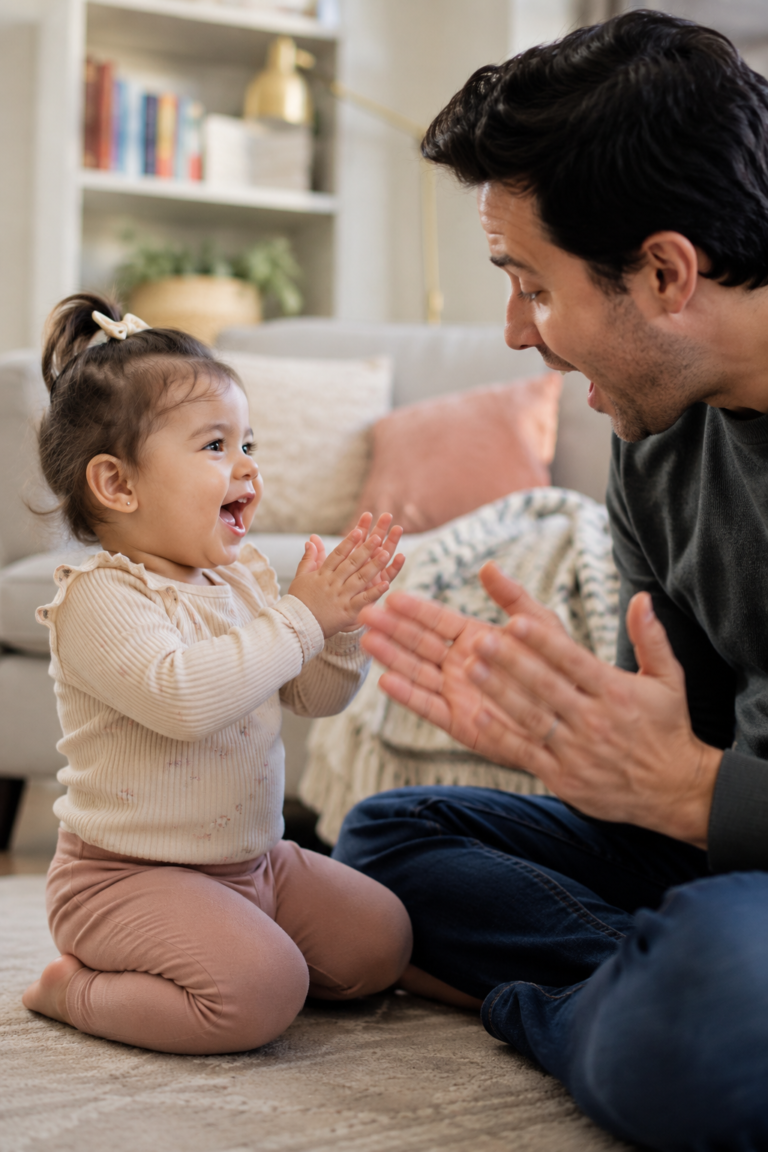
Many children also respond physically to rhythm before they respond verbally. Clapping, bouncing, pointing, or swaying during songs shows active engagement with communication. These early interactions support attention, imitation, and social connection, which are all important foundations for learning first words.
Repetition Builds Word Memory
Songs like “Twinkle, Twinkle Little Star” or “Old MacDonald” repeat predictable phrases that encourage participation. Even toddlers who are not yet speaking clearly may attempt parts of the song through sounds, gestures, or vocal approximations. Those early attempts are important steps toward spoken language.
Repetition through music also reduces pressure. In conversation, toddlers may feel put on the spot when asked to repeat words directly. Singing feels playful and shared, which can encourage more spontaneous vocalization and participation without the stress of “performing” correctly.
Melody Supports Attention and Engagement
Songs often combine movement, facial expression, gestures, and emotional tone. These extra communication cues help toddlers understand what words mean even before they can say them independently. A child may begin understanding action words like “jump,” “sleep,” or “wave” through repeated musical routines.
Shared singing experiences also strengthen social interaction. Looking at each other, taking turns with sounds, and reacting together during songs all support communication growth. These moments help toddlers learn that language is not only about words, but also about connection and interaction.
Everyday Ways to Use Singing at Home
Songs During Daily Routines Create Predictability
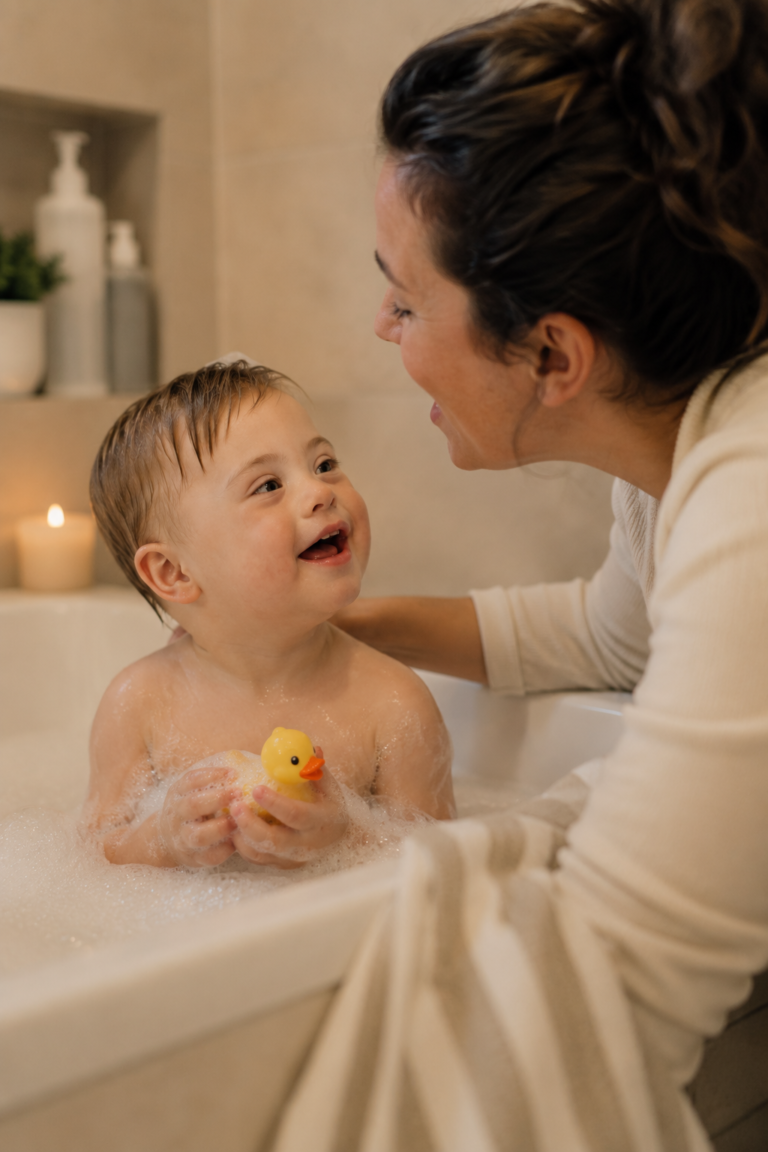
Toddlers often learn language best during familiar routines. Singing during diaper changes, bath time, meals, or getting dressed helps children hear the same words connected to the same activities every day. This consistency supports both comprehension and word learning.
Routine songs also help toddlers anticipate what comes next. A simple clean-up song or bedtime song becomes connected to actions and expectations over time. That predictability can make language easier to understand because the child already knows the context.
Parents do not need to sing perfectly for this to work. Toddlers benefit most from warm interaction and repeated exposure, not musical talent. Even simple made-up tunes using everyday words can support communication development in meaningful ways.
Looking for ideas to try? See our list of Songs Speech Therapists Actually Recommend for simple songs that encourage participation and early language.
Movement Songs Encourage Participation
Action songs also create opportunities for imitation. A toddler may first copy a gesture before attempting a sound or word. Over time, those nonverbal responses can gradually turn into vocal participation as confidence and familiarity grow.
Movement keeps communication interactive rather than passive. Instead of simply listening, toddlers become active participants in the song. That shared back-and-forth interaction supports important early communication skills like joint attention and turn-taking.
Pausing in Songs Encourages Communication
For example, a parent might sing “Twinkle, twinkle, little…” and pause expectantly. Some toddlers may smile, vocalize, point, or attempt “star.” Even if the response is not perfectly clear, the child is practicing communication in a natural and motivating way.
These pauses help toddlers understand that communication is interactive. Children begin learning that their sounds and responses matter within shared conversations and activities. Small opportunities like this can gradually build confidence around using words independently.
What Singing Supports Beyond First Words
Singing Supports Listening Skills
Songs also highlight differences in pitch, pacing, and emphasis. These variations help children notice important parts of speech and language more clearly. Over time, stronger listening skills support vocabulary growth and understanding during everyday conversation.
For some toddlers, music may also help maintain attention longer than spoken language alone. That extended engagement gives children more opportunities to absorb and process communication throughout the day.
Music Encourages Emotional Connection
Language development happens within relationships. Singing together creates warm, responsive interactions that help toddlers feel connected and secure. Those emotionally positive experiences often increase communication attempts naturally.
Many parents notice that songs can calm difficult moments or make transitions easier. A familiar tune during stressful routines may help toddlers regulate emotions while staying connected to interaction and language. Emotional safety plays a meaningful role in communication development.
Singing also creates shared joy. Smiling together, laughing during silly songs, and repeating favorite musical routines strengthen social bonds that support learning. Toddlers are often more motivated to communicate when interactions feel enjoyable and emotionally rewarding.
If your child is talking later than expected, you may also wonder whether music can encourage communication. Learn what the research says in Can Music Help Late Talkers?.
Singing Can Support Late Talkers Too
Speech-language pathologists frequently use music within therapy sessions because songs naturally encourage repetition, imitation, and engagement. Children who resist direct language practice may participate more willingly when communication is embedded into music and play.
Every toddler develops communication skills differently, and progress is rarely perfectly linear. Singing simply offers another supportive pathway for language learning that can fit naturally into family routines and everyday interaction.
When Singing Alone May Not Be Enough
Some Toddlers Need Additional Communication Support
Parents sometimes notice that a toddler enjoys songs and routines but still struggles to understand language, imitate sounds, use gestures, or communicate wants consistently. Those observations can provide helpful information about how a child is processing communication overall.
Seeking guidance early does not mean something is seriously wrong. Early support often helps families better understand a child’s strengths, communication style, and developmental needs while creating practical strategies for everyday interaction.
Signs It May Help to Talk With a Professional
- Limited babbling or vocal play by the end of the first year
- Very few spoken words by around 18 months
- Difficulty understanding simple language
- Limited eye contact, gestures, or social interaction
- Loss of previously used words or communication skills
- Frustration related to difficulty communicating
Early Support Can Feel Encouraging and Practical

Speech therapy for toddlers frequently includes play, songs, gestures, books, and everyday interaction rather than formal “lessons.” Families are usually encouraged to participate actively so strategies feel realistic and manageable in daily life.
Trusting your observations as a parent matters. If something feels concerning or you simply want reassurance about your child’s communication development, reaching out for guidance can provide clarity and support without unnecessary pressure.
FAQ SECTION
Does singing really help toddlers learn words?
Many toddlers participate in songs before they use words consistently in conversation. Even humming, babbling along, or attempting gestures during songs supports early communication development and language learning.
What songs are best for toddler speech development?
Songs that include everyday vocabulary like animals, body parts, routines, or movement words can also support understanding and early expressive language. Familiarity and repetition usually matter more than choosing “perfect” songs.
Can singing help late talkers?
While music can be a valuable communication tool, it is still important to seek professional guidance if speech or language concerns persist. Singing works best as part of a responsive, language-rich environment.
Should I sing even if I’m not a good singer?
Simple songs, playful routines, and even made-up melodies can create meaningful opportunities for language development. A warm and responsive interaction matters far more than singing ability.
How often should I sing with my toddler?
Consistency is often more important than duration. Even a few minutes of interactive singing each day can support communication growth over time.
Why does my toddler sing words they don’t say in conversation?
This is fairly common in early language development. Over time, words practiced through songs may gradually begin appearing more often during everyday conversation as confidence and language skills grow.
Not Sure Where Your Child Falls?
Answer a few questions and we’ll tell you whether their development
looks on track — or whether it’s worth talking to an SLP.
A Few Final Thoughts on Singing and First Words
Singing is one of the simplest and most natural ways families can support early communication development. Through repetition, rhythm, movement, and connection, music creates meaningful opportunities for toddlers to hear and practice language every day.
Many children learn best when communication feels playful and emotionally engaging. Songs help transform ordinary routines into language-rich moments that encourage interaction without pressure or rigid expectations.
Every toddler develops communication skills at their own pace, and first words often emerge gradually over time. Small moments like humming along, filling in song pauses, or copying gestures can all be meaningful signs of growing communication confidence.
For more parent-friendly ideas about using music and everyday routines to encourage communication, visit the Hanen Centre’s resources for families.
Whether your toddler already loves music or is just beginning to engage with songs, singing together can become a comforting and supportive part of everyday life while helping build strong foundations for speech and language development.