
How to Use Mealtimes to Build Language
Parents often worry that they need special flashcards, structured lessons, or long activities to help language grow. In reality, children build communication skills most effectively through repeated real-life experiences. Mealtimes are full of natural opportunities for listening, turn-taking, vocabulary, gestures, and social connection without making conversation feel forced or stressful.
Children also tend to feel emotionally regulated during familiar routines, which can make communication easier. Sitting together regularly helps children anticipate interaction and gives them repeated chances to hear words connected to actions, objects, feelings, and routines. Even short meals or snacks can support language development when adults stay present and responsive during the interaction.
This article explores how to use mealtimes to build language in ways that feel calm, realistic, and supportive for everyday family life. You’ll learn simple strategies speech therapists often encourage, ways to reduce pressure around talking, and how ordinary conversations at the table can support communication growth over time.
Why Mealtimes Naturally Support Communication
Repetition Helps Language Grow
Children learn language through repetition, and mealtimes naturally repeat many of the same experiences every day. Hearing words like “banana,” “drink,” “more,” or “all done” during meaningful moments helps children connect language to real experiences. Repeated exposure helps vocabulary become more familiar and easier to understand over time.
Because meals happen consistently, children begin anticipating routines and understanding what certain words mean before they can say them independently. A toddler who hears “sit down,” “take a bite,” or “want more?” every day starts building receptive language through those repeated patterns. Consistency often supports comprehension long before spoken language catches up.
Mealtimes are just one part of everyday communication. You can find more practical ideas in How to Build Speech Into Your Everyday Routine,
This repetition also creates opportunities for children to attempt communication in their own way. Some children use sounds, gestures, eye contact, signs, or single words before developing longer phrases. Familiar mealtime routines help children feel confident practicing communication without pressure.
Real-Life Motivation Encourages Talking
Motivation matters because language develops best when communication has a purpose. Asking for more crackers or choosing between yogurt and applesauce feels much more meaningful to a child than repeating random practice words. These small moments help children understand that communication helps them connect and participate in daily life.
Parents sometimes worry about “making” their child talk during meals, but communication does not need to be forced. Responsive interaction often works better than constant questioning. Following the child’s interests and responding naturally can help conversations feel enjoyable instead of stressful.
Mealtimes Support Social Communication
Young children watch adults closely during routines. They notice tone of voice, pauses in conversation, laughter, and emotional reactions. Even children who are not yet speaking are learning social communication skills while listening and participating in everyday mealtime interactions.
These shared experiences can also strengthen connection between parents and children. Feeling emotionally connected often supports communication growth because children tend to communicate more when interactions feel safe, warm, and responsive.
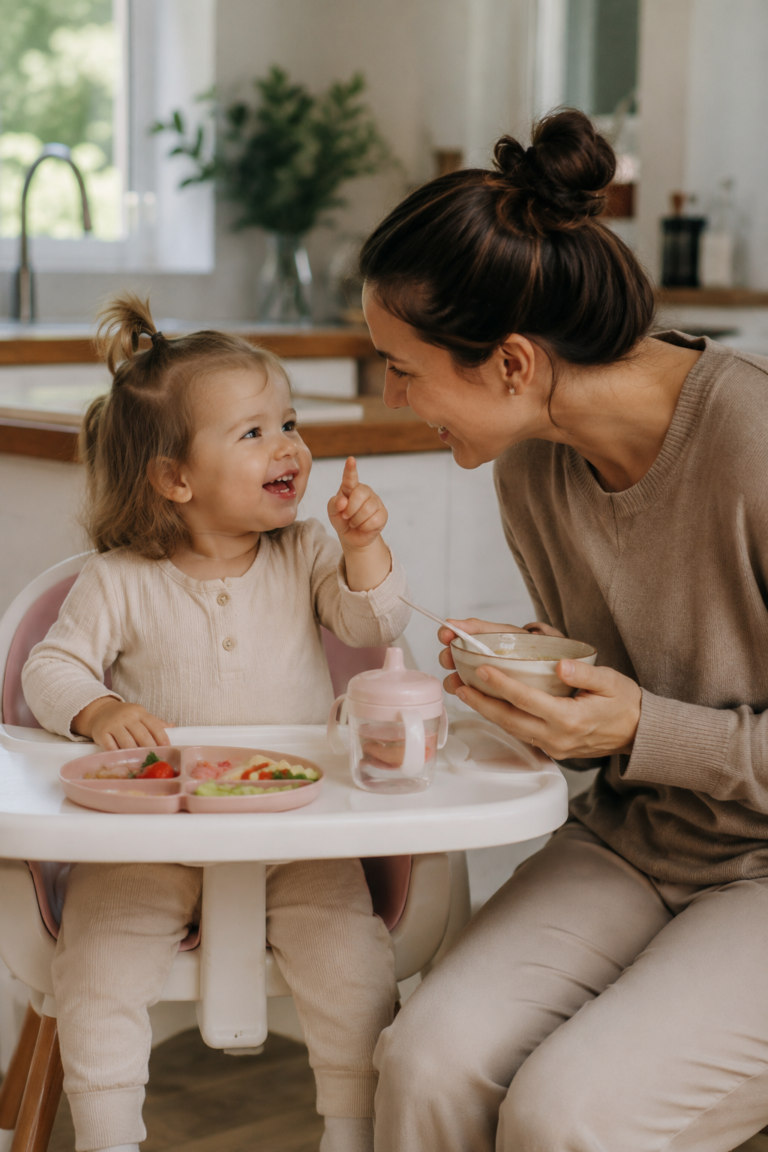
Simple Ways to Encourage More Language at the Table
Narrate What Your Child Is Experiencing
Narration works well because it reduces pressure on the child to respond immediately. Instead of asking constant questions, parents provide language models children can absorb naturally. This often feels calmer for children who are shy, late talkers, or easily overwhelmed by direct demands to speak.
The goal is not to talk nonstop throughout the meal. Short, meaningful comments paired with pauses often create the best balance. Children need time to process language and opportunities to participate in their own way.
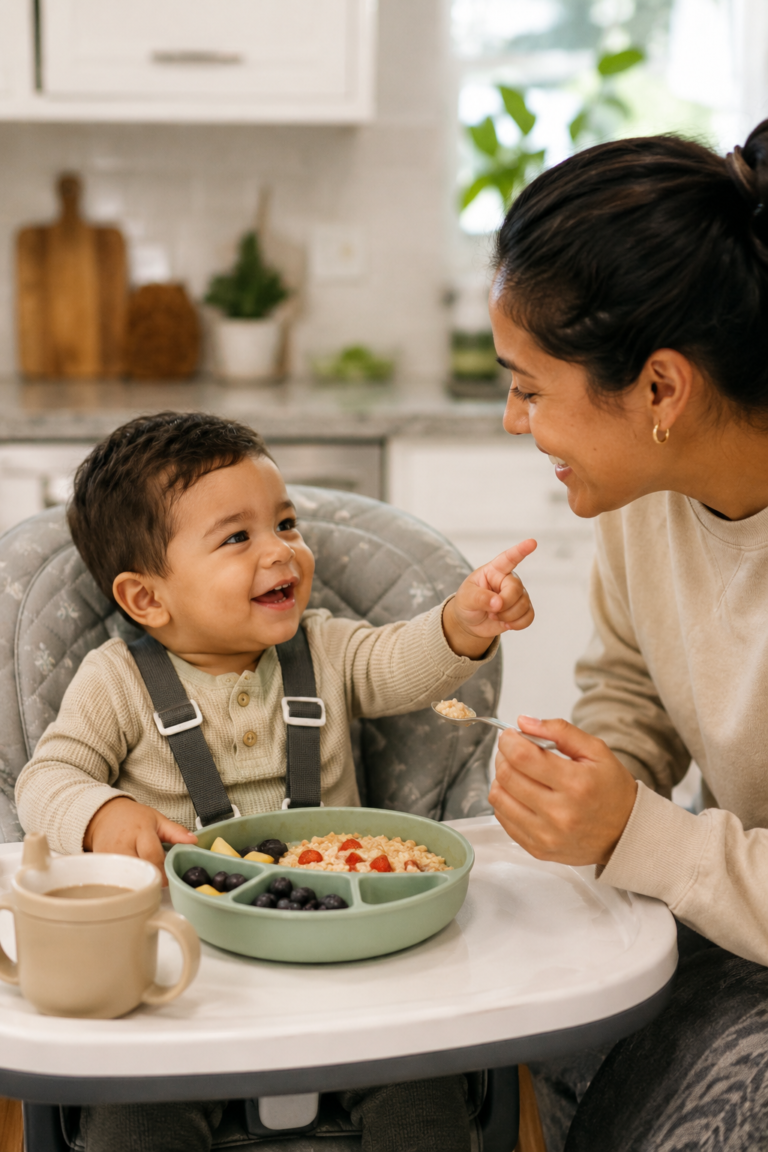
Offer Choices Throughout the Meal
Offering choices also supports language comprehension. Children begin understanding the names of foods, actions, and routines while learning that communication helps them make decisions. These small interactions can gradually build confidence during everyday routines.
For younger toddlers or children with language delays, visual support can help. Holding up two choices while naming them slowly makes language easier to process. Parents do not need complicated materials to support communication successfully during meals.
Pause and Wait During Conversation
That pause may allow a child to point, vocalize, imitate a word, or attempt a response they might otherwise miss. Even children who are not yet talking can participate through gestures, facial expressions, and sounds when adults slow the pace of conversation slightly.
Waiting calmly also helps reduce communication pressure. Some children speak more when they feel there is room to respond naturally rather than feeling rushed or corrected throughout the interaction.
Making Mealtime Conversations Feel More Natural
Follow Your Child’s Interests
Children are usually more engaged when adults talk about things they already care about. If your child is fascinated by noodles, blueberries, or pouring water into a cup, those moments become excellent opportunities for conversation. Following the child’s attention often creates more meaningful interaction than redirecting constantly.
This approach can also help reduce resistance during meals. Some children become overwhelmed when adults ask too many direct questions or expect perfect participation. Joining the child’s interests creates a more connected and responsive interaction instead of turning meals into a performance.
Looking for more everyday opportunities? Try these ideas for Speech Practice During Bath Time, Car Time, and Bedtime to continue building language throughout the day.
Parents sometimes underestimate how much language children absorb through simple shared experiences. Laughing about spaghetti falling off a fork or noticing steam coming from soup can create rich communication moments without formal teaching.
Reduce Distractions When Possible
Creating a calmer environment does not mean meals must feel rigid or perfectly quiet. The goal is simply to make interaction easier. Even reducing distractions for part of the meal can increase opportunities for listening, observing, and participating in conversation.
Many families find that shorter, more connected meals work better than trying to force long conversations. A few meaningful minutes of interaction can still support communication growth over time.
Keep Communication Positive and Relaxed
Parents can model language without demanding perfect responses. If a child says “juice,” an adult might naturally expand by saying, “More juice please,” without turning the moment into a correction. These gentle language models expose children to more complex speech while keeping interaction positive.
Language development takes time, and progress is rarely perfectly linear. Small everyday conversations during meals may seem simple, but repeated positive interaction often builds important communication foundations over months and years.
When Mealtime Communication Feels Difficult
Some Challenges May Need Extra Support
It is also common for parents to compare their child to siblings or peers during family meals. Development varies widely, especially in toddlerhood, and occasional quietness or selective eating does not automatically signal a problem. Looking at overall communication patterns across environments usually provides a more complete picture.
If concerns continue over time or communication feels unusually difficult during daily routines, speaking with a speech-language pathologist can provide guidance and reassurance. Early support can help families better understand their child’s communication strengths and needs.
Signs It May Help to Seek an Evaluation
- Your child rarely attempts to communicate wants or needs
- Your child struggles to understand simple everyday language
- Mealtimes frequently involve intense frustration or shutdowns
- Your child has very limited vocabulary for their age
- You notice difficulty with social interaction beyond meals
- Your instincts continue telling you something feels concerning
Support Can Be Practical and Family-Centered
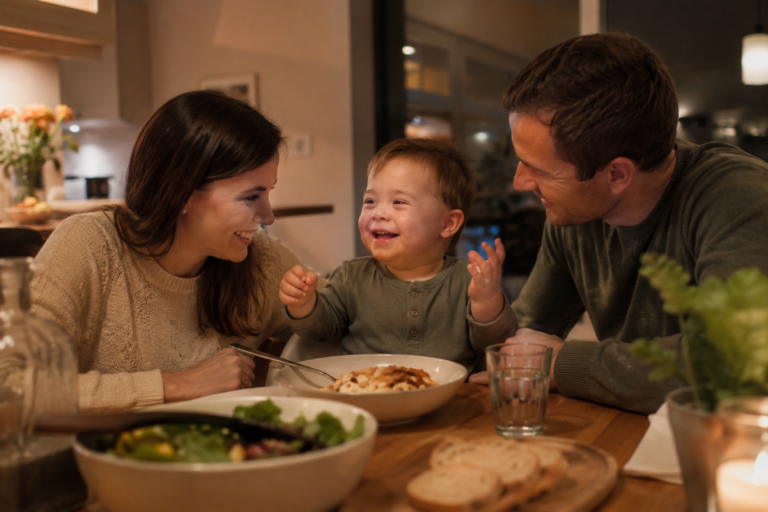
Parents are an important part of communication development because children learn best through consistent interaction with familiar people. Small changes in how adults respond, model language, and create opportunities for interaction can make a meaningful difference over time.
Seeking support does not mean anyone has failed. Many families benefit from professional guidance simply to better understand how to encourage communication in ways that feel calm, responsive, and sustainable within daily life.
FAQ SECTION
Should I ask my toddler lots of questions during meals?
Instead of constantly quizzing your child, try describing what they are doing or noticing together. This creates language-rich interaction without turning mealtime into a test or therapy session.
What if my child mostly points instead of talking?
You can support language growth by responding warmly and modeling words alongside the gesture. For example, if your child points to milk, you might say, “Milk! You want more milk.”
Can screen-free meals really help language development?
That said, family routines do not need to be perfect. Even a few connected screen-free meals or snacks each week can still support communication and relationship-building over time.
What if my child refuses to talk during meals?
Are snacks useful for language practice too?
Absolutely. Snacks often feel lower-pressure and can provide quick opportunities for connection throughout the day. Simple interactions during snack routines still support vocabulary, requesting, turn-taking, and conversation skills.<br><br>
Short daily interactions add up over time. Many small communication moments throughout the day can be just as valuable as longer conversations.
Can mealtimes help children with language delays?
Children with language delays may still need individualized support depending on their needs, but building communication into familiar routines is commonly encouraged by speech-language pathologists.
Not Sure Where Your Child Falls?
Answer a few questions and we’ll tell you whether their development
looks on track — or whether it’s worth talking to an SLP.
A Few Final Thoughts on Using Mealtimes to Build Language
Mealtimes are about much more than food. They are one of the most natural opportunities families have to connect, communicate, and build language together through everyday interaction.
Children do not need perfectly planned activities to learn communication skills. Small conversations, shared attention, and repeated daily routines often create meaningful opportunities for language growth over time.
Parents also do not need to carry pressure to make every meal “educational.” Responsive interaction, warmth, and simple connection usually matter far more than trying to create constant structured practice throughout the day.
For more practical, family-centered ideas about building language during everyday routines, visit the Hanen Centre.
Whether your child is highly verbal, just beginning to communicate, or needing extra support, everyday moments around the table can help strengthen communication in ways that feel realistic, supportive, and deeply connected to family life.