
The Best Times of Day to Practice Talking With Your Toddler
The best times of day to practice talking with your toddler are often the moments when your child feels relaxed, engaged, and emotionally connected. Daily routines naturally create chances to hear words repeated, practice turn-taking, build vocabulary, and strengthen understanding without making communication feel like work.
For many families, this can also take pressure off. You do not need to constantly entertain your toddler or create perfect educational activities to support speech development. Small conversations throughout the day often have a bigger impact than one structured practice session because toddlers learn language gradually through consistent exposure and interaction.
This article explores the best times of day to practice talking with your toddler, why routines matter so much for communication growth, and how simple everyday interactions can help support speech and language development in a calm and natural way.
Morning Routines Create Natural Conversation Opportunitiesr
Getting Ready Together Builds Predictable Language
Morning routines are often one of the best times of day to practice talking with your toddler because the activities repeat consistently. Repetition helps toddlers connect words to actions, which supports both understanding and expressive language development. Even simple routines like getting dressed or brushing teeth expose children to important everyday vocabulary.
Toddlers also tend to learn well when they can predict what comes next. Hearing phrases like “shoes on,” “wash hands,” or “time for breakfast” every morning strengthens comprehension over time. Eventually, many toddlers begin attempting these words themselves because the language becomes familiar and meaningful within the routine.
Parents sometimes worry that these interactions are too simple to matter, but daily routines are actually where many communication skills develop naturally. Consistent exposure to language during predictable moments helps toddlers process and organize what they hear throughout the day.
Looking for more ideas? Read our guide on How to Build Speech Into Your Everyday Routine for simple ways to encourage communication all day long.
Breakfast Conversations Encourage Back-and-Forth Interaction
Breakfast can also support conversational turn-taking. A parent might pause after asking a simple question or commenting about the food, giving the toddler time to respond with a word, gesture, sound, or facial expression. These small conversational exchanges help build the foundation for future communication skills.
Even toddlers who are not yet speaking much can benefit from hearing rich language during meals. Narrating what is happening in a calm, natural way helps children connect language with real-life experiences rather than isolated practice drills.
Transitions Help Toddlers Learn Everyday Language
Because transitions happen regularly, toddlers hear the same language patterns repeatedly. This repetition helps strengthen understanding and supports memory for commonly used words and phrases. Over time, many children begin participating verbally in familiar routines because they know what language to expect.
Transitions can sometimes feel rushed for parents, but even brief interactions matter. A few calm comments while putting on shoes or walking to the car can create meaningful communication practice without adding extra tasks to the day.
Play and Daily Activities Support Language Growth
Playtime Encourages Natural Communication
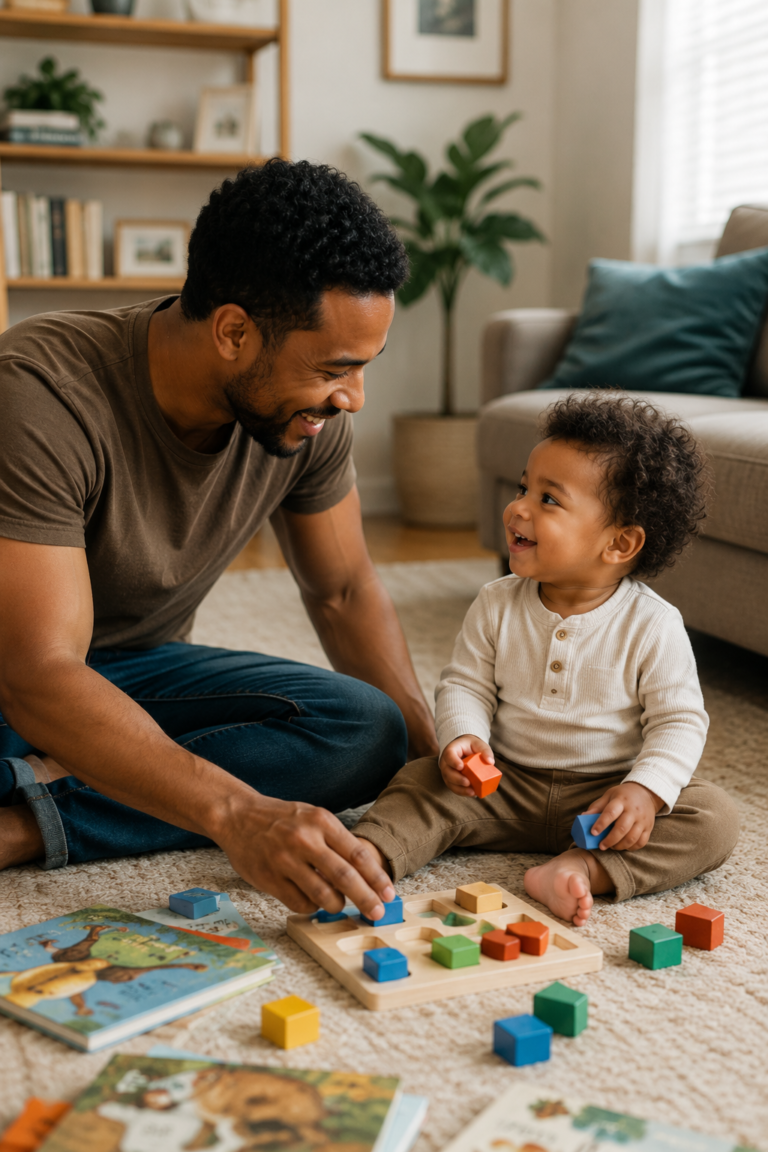
Play is one of the most powerful tools for language development because toddlers are emotionally engaged and motivated to interact. During play, children hear words connected directly to actions, objects, emotions, and social experiences, which helps communication feel meaningful and relevant.
Parents do not need to lead complicated educational activities for playtime to support speech. Simple interactions like rolling a ball, stacking blocks, or pretending with toy animals create endless opportunities to model language naturally. Repeating short phrases and describing actions during play can strengthen vocabulary development over time.
If you’re wondering how to encourage longer phrases without constant questions, see How to Expand Your Child’s Language Without Drilling.
Play also encourages shared attention, which is an important communication skill. When a toddler and parent focus on the same activity together, language becomes easier to process because the child can connect words directly to what they see and experience.
Outdoor Time Introduces Rich Vocabulary
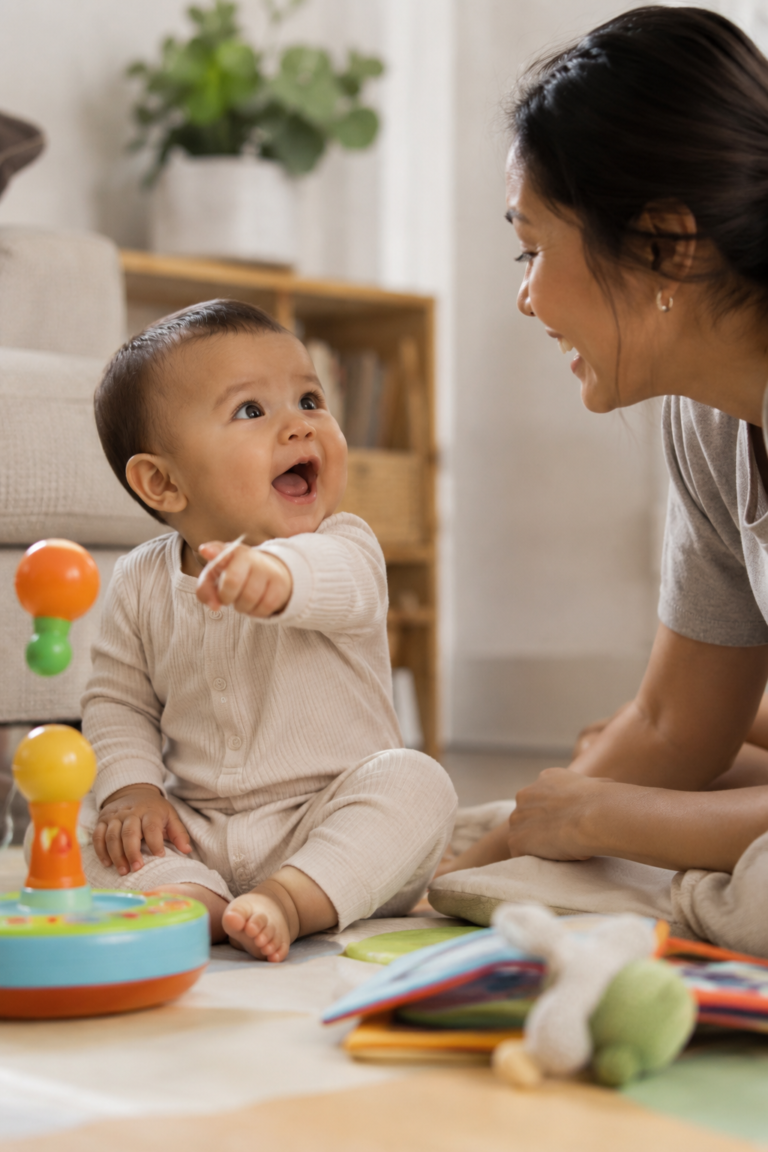
Children also tend to stay engaged longer outdoors because there is constant movement and sensory input. This can create more spontaneous communication opportunities compared to highly structured activities. Many toddlers attempt more sounds, gestures, and words when they feel excited and curious about their surroundings.
Parents sometimes underestimate how valuable simple narration can be during outdoor time. Pointing out what your toddler notices and following their interests helps communication feel interactive rather than instructional, which often keeps children more engaged.
Everyday Tasks Build Functional Language Skills
Toddlers often enjoy helping with small tasks, especially when adults include them in the process conversationally. Hearing words connected to actions repeatedly helps children understand how language works within daily life. These experiences also strengthen listening and attention skills.
Using everyday routines for language practice can reduce pressure for both parents and children. Communication feels more natural when it happens within meaningful activities instead of feeling like a formal lesson or therapy session.
Calm Evening Moments Often Support Communication Best
Toddlers Often Talk More When They Feel Relaxed
Parents may notice that toddlers attempt more words during cuddling, bath time, or quiet play before bed. Emotional connection plays a major role in communication development, and relaxed moments often help children feel safe enough to experiment with new sounds or words.
This does not mean every evening needs to become structured speech practice. Simple conversations, playful routines, and shared attention often provide enough support to encourage language growth naturally over time.
Bath Time Creates Repetitive Language Opportunities
Because bath time is playful, many children feel comfortable participating with gestures, sounds, or words. Parents can model simple phrases like “wash hands,” “big splash,” or “pour water” while following the child’s attention and enjoyment during the routine.
The relaxed pace of bath time also gives parents more opportunities to pause and wait for responses. These pauses are important because toddlers often need extra processing time before attempting communication themselves.
Bedtime Reading Strengthens Listening and Vocabulary
Bedtime reading also encourages listening skills and attention, which are foundational parts of communication development. Many toddlers eventually participate by pointing, labeling pictures, filling in familiar words, or reacting emotionally to favorite stories.
Even short reading sessions matter. Consistency is often more important than length, and regular bedtime conversations can become one of the strongest language-building routines within the day.
When Everyday Practice May Not Feel Like Enough
Some Communication Concerns Benefit From Professional Guidance
If your toddler rarely attempts communication, seems frustrated often, has difficulty understanding simple language, or is not progressing over time, it may help to speak with a pediatrician or speech-language pathologist. Early support can provide reassurance, guidance, and individualized strategies that fit naturally into family life.
Seeking an evaluation does not automatically mean something is seriously wrong. In many cases, families simply gain clearer insight into how to support communication development more effectively during everyday routines.
Signs It May Help to Seek Additional Support
- Limited babbling, gestures, or words compared to expected developmental patterns
- Difficulty following simple directions consistently
- Frequent frustration during communication attempts
- Loss of previously used words or social interaction skills
- Very limited interest in interaction or shared attention
- Speech that remains very difficult to understand over time
Early Support Can Feel Collaborative and Reassuring

In many cases, small adjustments to communication style, play interactions, and routines can make a meaningful difference over time. Families often feel relieved after learning practical ways to support speech and language development more confidently throughout the day.
The goal is not perfection or pressure. Communication growth happens gradually, and supportive guidance can help families feel more connected and empowered during the process.
Frequently Asked Questions
What is the best time of day to practice talking with my toddler?
The best times of day to practice talking with your toddler are usually the moments when your child feels connected, calm, and interested in what is happening around them. Short conversations spread throughout the day are often more effective than long practice sessions.
How long should I practice speech with my toddler each day?
Most toddlers benefit more from frequent short interactions than structured practice for long periods of time. Communication development happens naturally through repeated exposure to language during routines, play, and shared experiences.<br><br>
Even a few minutes of focused interaction throughout the day can support speech and language growth. Consistency matters more than duration, especially when language is connected to meaningful activities your toddler already enjoys.
Should I correct my toddler’s speech mistakes?
For example, if your toddler says “tat” for “cat,” you might respond warmly with “Yes, that’s a cat.” This approach keeps interaction positive while still providing a clear speech model.
Is screen time helpful for toddler speech development?
Talking during routines, play, meals, and reading activities usually provides stronger communication opportunities because toddlers can respond, gesture, imitate, and participate socially in the interaction.
What if my toddler does not seem interested in talking?
Following your toddler’s interests during play and routines can help increase engagement naturally. Children are often more likely to communicate when they feel emotionally connected and genuinely interested in the activity.
Can daily routines really improve language development?
Simple routines like getting dressed, eating meals, cleaning up toys, or reading bedtime stories create repeated opportunities to model vocabulary, turn-taking, and conversation throughout the day.
Not Sure Where Your Child Falls?
Answer a few questions and we’ll tell you whether their development
looks on track — or whether it’s worth talking to an SLP.
A Few Final Thoughts on Talking With Your Toddler Throughout the Day
Supporting your toddler’s communication development does not require perfect routines or constant educational activities. Many of the most valuable language opportunities happen naturally during the ordinary moments families already share every day.
The best times of day to practice talking with your toddler are often the moments that feel calm, connected, and meaningful. Whether you are eating breakfast, playing on the floor, walking outside, or reading before bed, small conversations can build important communication foundations over time.
Parents sometimes put pressure on themselves to “do enough” for speech development, but connection matters far more than perfection. Warm responsive interaction, shared attention, and consistent exposure to language all support communication growth in powerful ways.
For additional ideas about supporting communication during everyday routines, visit ZERO TO THREE’s family resources on early language and development.
If concerns about speech or language continue, seeking guidance can provide reassurance and helpful next steps. Every child develops differently, and supportive everyday communication remains one of the most important tools families can offer along the way.