
2 Year Old Speech Milestones: When Toddlers Start Speaking in Sentences
Between ages 2 and 3, many toddlers go through an exciting shift in communication. Words start connecting into short sentences, conversations become more interactive, and children begin expressing ideas, feelings, and questions more clearly. Parents often notice their toddler suddenly talking more throughout the day, even if pronunciation is still developing.
This stage can also bring a lot of uncertainty. Some children chatter constantly while others communicate more quietly or cautiously. Parents may wonder whether their child is talking enough, whether strangers should understand them yet, or if unclear speech is still typical at this age. These questions are incredibly common because speech development during the toddler years can vary quite a bit from one child to another.
Many toddlers between 2 and 3 years old are still learning how to coordinate sounds, organize sentences, and use language socially. It is normal for some words to sound unclear, especially in longer sentences or during moments of excitement. At the same time, children usually become easier to understand over this year as vocabulary and speech patterns continue growing rapidly.
This guide explores what parents often see during 2 to 3 year old speech development, including sentence growth, speech intelligibility by age, and the communication milestones that typically emerge during this important period of language learning.
What Speech Development Often Looks Like Between 2 and 3
When Toddlers Start Talking in Sentences
Sentence growth does not happen all at once. Some toddlers start with repetitive phrases while others mix familiar words creatively. It is also common for grammar to sound incomplete during this stage. A child may say “me go park” instead of using fully developed sentence structure, even while communication skills are progressing appropriately.
Parents sometimes expect speech to suddenly sound mature once sentences begin, but toddler language still develops gradually. Pronunciation, vocabulary, and sentence organization continue improving throughout the preschool years, and many children remain difficult to understand in certain situations even while making strong developmental progress.
How Much Should a 2 Year Old Talk?
Language development is not measured only by the number of words a child says. Communication also includes how children interact, imitate language, respond to questions, use gestures, and attempt to express ideas. A toddler who speaks less frequently but communicates purposefully can still show healthy developmental progress.
Parents frequently compare toddlers to siblings, cousins, or daycare peers, but speech growth rarely follows the exact same timeline for every child. Differences in temperament, exposure to language, and developmental pacing can all influence how communication skills appear between ages 2 and 3.
Why Pronunciation Still Sounds Unclear
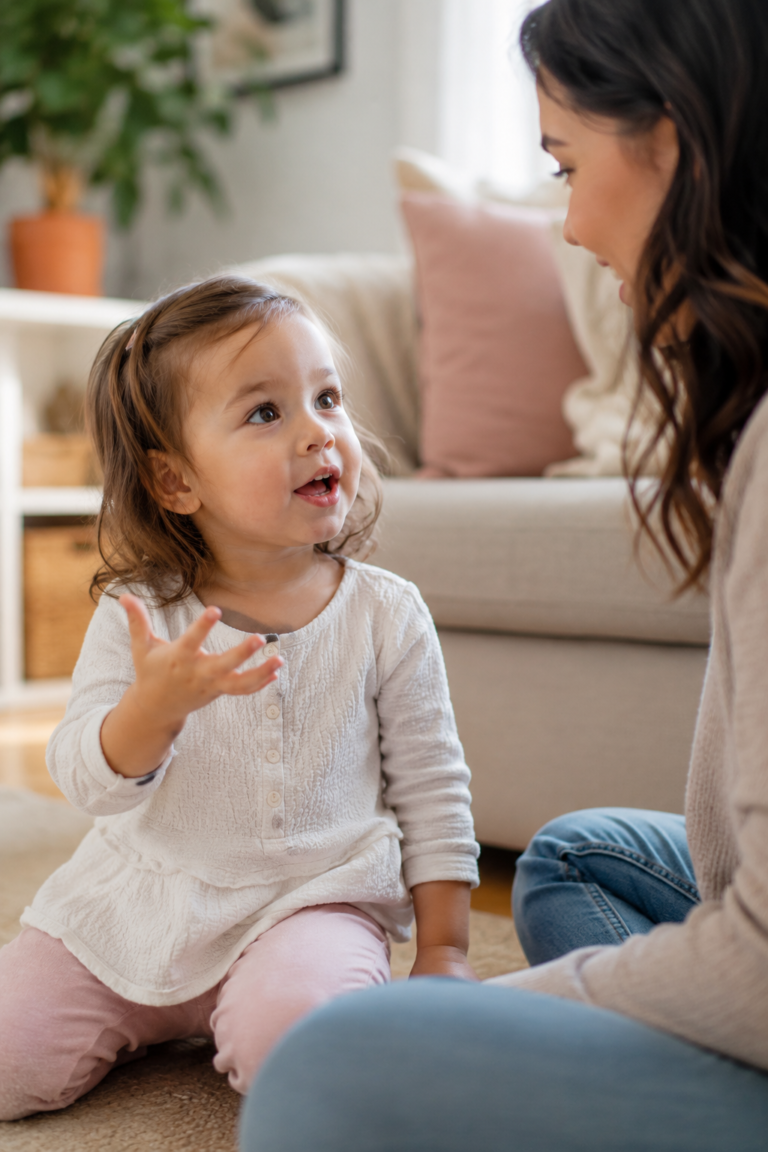
Speech clarity often improves gradually rather than overnight. Parents may notice familiar family members understand more than strangers do because they hear the child speak every day. This difference is very typical during the toddler years and does not automatically mean something is wrong.
Children also tend to sound less clear when tired, excited, upset, or speaking quickly. Context matters too. A toddler describing a familiar toy may be easier to understand than one trying to tell a complicated story with newer vocabulary and longer sentences.
Understanding Speech Intelligibility by Age
How Understandable Should a 2 Year Old Be?
Parents sometimes become concerned when strangers cannot understand every word their toddler says. In reality, developing speech systems are still maturing rapidly during this stage. Clarity improves over time as sound patterns stabilize and vocabulary becomes more consistent.
What matters most is whether overall communication skills continue moving forward. A child who is adding words, combining phrases, engaging socially, and attempting communication regularly is showing important developmental growth, even if speech remains somewhat difficult to understand.
Why Some Toddlers Are Easier to Understand Than Others
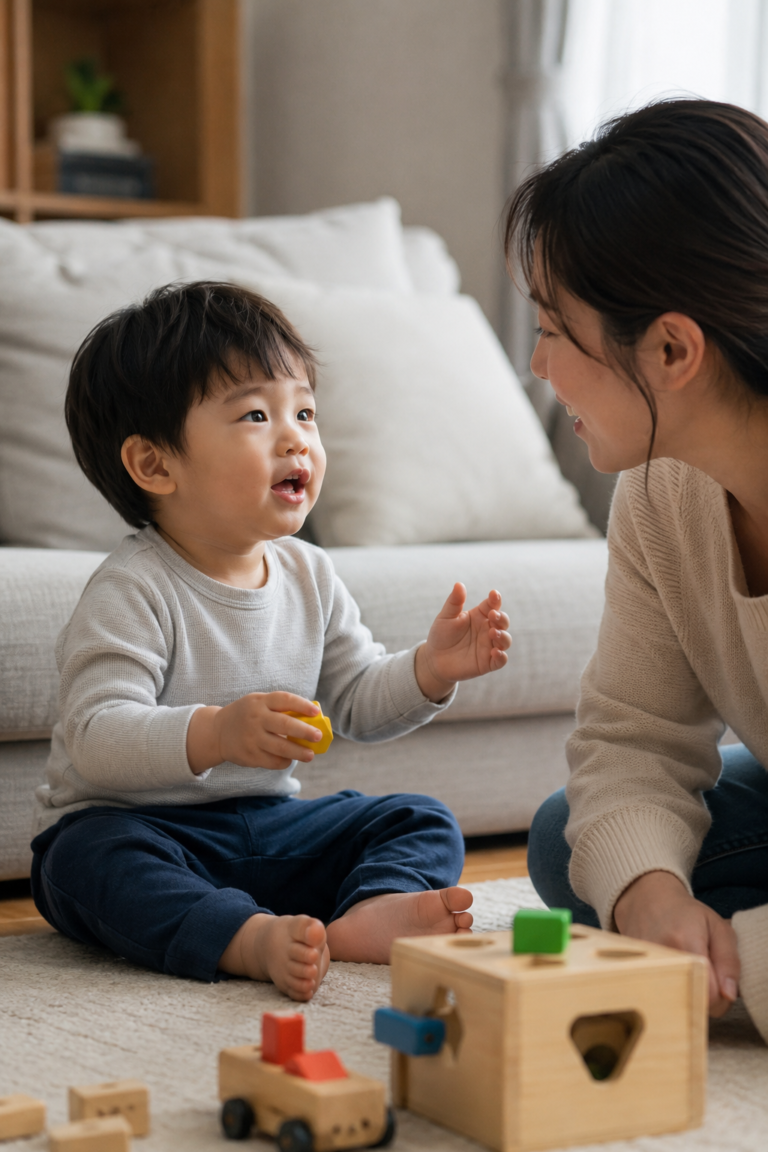
Temperament and communication style also play a role. Highly energetic children sometimes speak quickly, making words harder to follow. More cautious communicators may pause carefully between words, which can make their speech seem clearer even with similar sound errors.
Exposure to language-rich interaction matters as well. Toddlers who experience regular conversations, storytelling, songs, and responsive communication opportunities often gain confidence using speech in a variety of settings throughout the day.
The Connection Between Play and Language Growth
Simple activities like narrating daily routines, reading books together, or talking during meals can support sentence development. Repetition also helps toddlers organize language patterns. Hearing phrases used consistently throughout the day gives children opportunities to imitate and eventually use those structures independently.
Parents do not need elaborate activities to encourage speech development. Responsive conversations, eye contact, playful interaction, and patient listening often create some of the most valuable opportunities for toddlers to strengthen communication skills.
What Parents Often Notice During This Stage
Repeating Favorite Phrases and Questions
Repeated language can also provide comfort and predictability. Toddlers enjoy hearing familiar routines and testing how words work in different situations. Even repetitive conversations help children refine vocabulary, sentence structure, and social interaction skills over time.
Parents sometimes worry repetition means their child is “stuck,” but repeated phrases are often a natural stepping stone toward more flexible language use. As vocabulary grows, many toddlers gradually begin expanding those familiar phrases into more varied conversations.
Big Emotions and Communication Frustration
Communication breakdowns are common during this age range because toddlers are learning complex social and language skills simultaneously. A child may know exactly what they want to say but still lack the speech clarity or sentence organization to express it smoothly.
Supportive listening can make a meaningful difference. Slowing down conversations, giving toddlers time to respond, and calmly modeling language often helps reduce pressure while encouraging communication confidence.
Growing Independence Through Language
Many parents notice dramatic personality growth alongside language development. Toddlers who previously relied mostly on gestures may suddenly become eager storytellers, playful conversationalists, or enthusiastic question askers seemingly overnight.
Even when pronunciation remains imperfect, growing communication skills allow children to connect more deeply with others. These early conversations help build social understanding, emotional regulation, and confidence that continue developing well beyond the toddler years.
When Extra Support May Be Helpful
Signs That May Warrant a Closer Look
It can also help to look at overall communication skills rather than speech alone. Limited eye contact, difficulty following simple directions, minimal social interaction, or reduced interest in communication may signal that further guidance would be useful.
Early support does not automatically mean a serious problem exists. Many children benefit from speech-language evaluations simply to better understand their developmental profile and identify ways to support communication growth more effectively.
Common Reasons Parents Reach Out for Guidance
- Very limited vocabulary by age 2
- Difficulty combining words into short phrases
- Frequent frustration related to communication
- Speech that is extremely difficult for familiar adults to understand
- Limited interest in interacting or communicating socially
- Loss of previously used words or communication skills
Why Early Support Can Be So Valuable
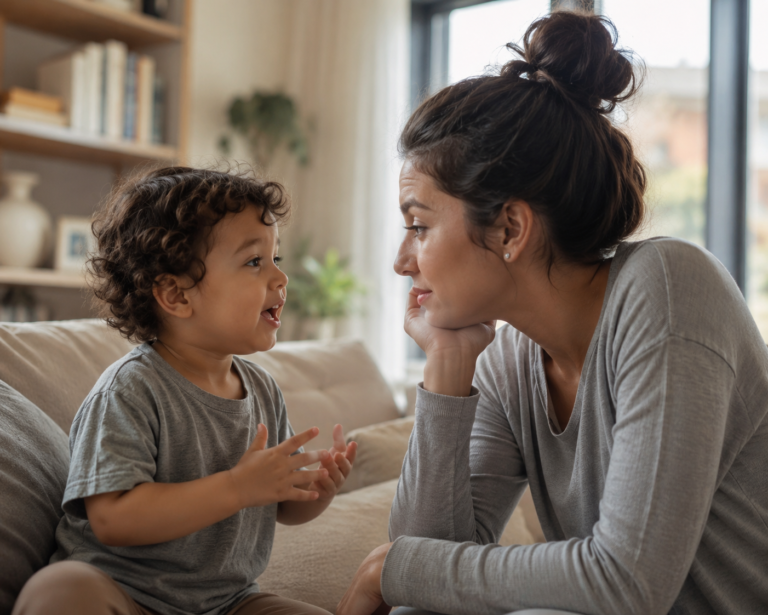
Speech and language support during the toddler years is typically play-based, interactive, and family-centered. Early intervention focuses on building communication within everyday routines rather than expecting perfect speech immediately.
Many parents feel relieved after speaking with a speech-language professional because they gain clearer understanding of what their child is doing well and where support may help. Guidance can also provide practical strategies that fit naturally into family life.
Trusting parental instincts matters. If communication development feels concerning or noticeably different from expected progress, seeking guidance early can provide reassurance, helpful information, and supportive next steps tailored to the child’s needs.
Frequently Asked Questions
Is it normal for a 2 year old to talk in short sentences?
Sentence growth usually happens gradually rather than all at once. Some toddlers experiment with longer phrases earlier while others build vocabulary first before using more connected speech consistently.
How understandable should a 2 year old be to strangers?
Speech intelligibility by age is only a guideline, not a strict rule. What matters most is whether overall communication skills continue progressing through growing vocabulary, social interaction, and sentence development.
What if my 2 year old talks a lot but is hard to understand?
Monitoring progress over time is important. If speech remains extremely difficult for familiar adults to understand or progress seems limited, a speech-language evaluation can help clarify whether extra support would be beneficial.
When do toddlers usually start asking questions?
Question asking reflects growing social communication skills as well as cognitive development. Toddlers become increasingly interested in understanding routines, objects, people, and cause-and-effect experiences around them.
Should I correct my toddler’s speech mistakes?
Children learn speech patterns best through repeated exposure in supportive interactions. Constant correction can sometimes create frustration or reduce confidence during communication attempts.
What are signs a toddler may need speech therapy?
Parents may also seek guidance if speech is unusually difficult for familiar listeners to understand or if developmental progress seems to plateau over time. Early support can provide reassurance and practical strategies even when concerns are mild.
Not Sure Where Your Child Falls?
Answer a few questions and we’ll tell you whether their development
looks on track — or whether it’s worth talking to an SLP.
A Few Final Thoughts on 2 Year Old Speech Milestones
The years between 2 and 3 bring enormous growth in communication. Toddlers begin combining words into sentences, expressing opinions more clearly, and participating more actively in conversations with the people around them.
At the same time, speech development rarely looks identical from child to child. Some toddlers become highly verbal very quickly, while others progress more gradually as speech clarity, vocabulary, and confidence continue developing together.
Parents often worry about whether strangers should understand their child yet or whether speech sounds clear enough for this age. In many cases, steady progress, growing interaction, and increasing communication attempts are more important indicators than perfect pronunciation alone. To learn more about speech milestones visit: ASHA.
Supportive everyday conversations, playful interaction, and responsive listening create powerful opportunities for language growth during the toddler years. When concerns do arise, early guidance can help families better understand their child’s communication development and provide reassurance along the way.