
My 2-Year-Old Isn’t Talking but Understands Everything
At this age, communication development can vary widely from one child to another. Some toddlers suddenly begin combining words and chatting nonstop, while others remain mostly quiet for longer than expected. Understanding language, often called receptive language, is an important strength. It tells us that your child is listening, processing, and making sense of communication even if spoken words are not coming easily yet.
Parents often wonder whether this means their child is simply a “late talker” or if it could point to a speech or language delay. The answer depends on the full picture of development, including gestures, play skills, social interaction, sound use, and how communication changes over time. There is rarely one single sign that tells the whole story, which is why looking at communication as a whole is so important.
The reassuring news is that many children who understand language well can make significant progress with the right support, interaction, and opportunities to communicate. In this article, we’ll look at why some 2-year-olds understand more than they can say, what may be typical at this stage, how parents can encourage communication naturally at home, and when it may be helpful to seek a speech and language evaluation.
Why Some Toddlers Understand More Than They Say
Understanding Language Often Develops First
Speech therapists frequently explain that language development includes both receptive language and expressive language. Receptive language refers to what a child understands, while expressive language refers to what they can communicate using sounds, words, gestures, or sentences. It is possible for a child to have strong receptive language while expressive skills are slower to develop.
This difference can sometimes make delays feel less obvious at first because the child appears socially connected and engaged. A toddler who understands well may compensate by pointing, leading adults by the hand, using facial expressions, or relying on routines to communicate needs effectively.
Some Late Talkers Catch Up Naturally
Even among late talkers, communication styles can look very different. One child may use many gestures but few words, while another may use sounds and approximations consistently without clear speech. Some toddlers are naturally more cautious communicators and prefer observing before attempting spoken language frequently.
Although many late talkers eventually catch up, it is still important not to rely only on the idea that a child will “grow out of it.” Early support can help communication develop more smoothly and may reduce frustration for both the child and family. Monitoring progress over time is usually more helpful than focusing on one isolated milestone.
Expressive Language Delays Can Look Subtle
Toddlers with expressive language delays often want to communicate but may struggle organizing sounds, retrieving words, or coordinating speech movements quickly enough during interaction. This can lead to frustration, tantrums, or avoiding verbal attempts altogether. Communication breakdowns may become more noticeable in busy social situations or around unfamiliar people.
It is also important to remember that speech and language development are connected but not identical. Some children understand language and know what they want to say but have difficulty producing clear speech sounds, while others need support developing vocabulary and sentence structure more broadly.
What Communication Usually Looks Like Around Age Two
Vocabulary Growth Often Expands Quickly
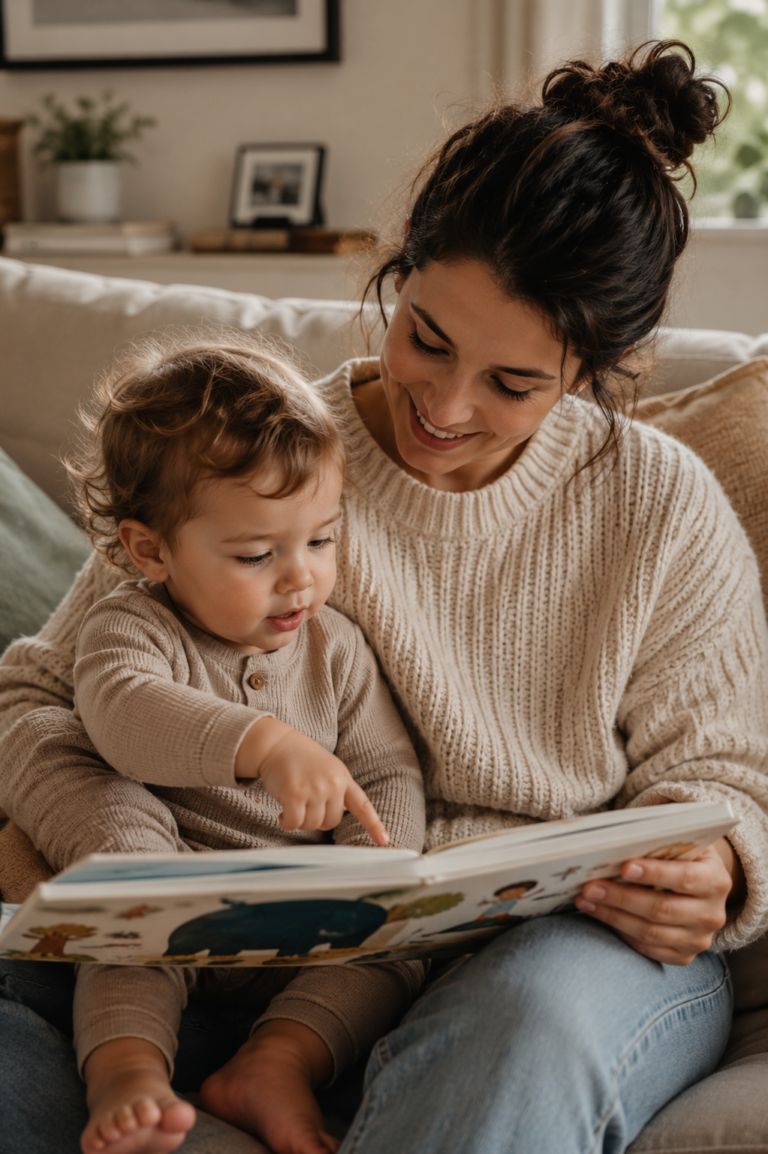
Toddlers at this stage often begin labeling favorite foods, people, animals, toys, and actions. Parents may hear emerging combinations such as “more juice,” “mommy go,” or “big truck.” These early combinations show that a child is beginning to connect words meaningfully rather than simply repeating isolated vocabulary.
When a 2-year-old understands everything but says very little, speech therapists often look closely at whether vocabulary is steadily increasing over time. Even gradual progress matters because communication development tends to build layer by layer rather than appearing all at once.
Gestures and Nonverbal Communication Matter Too
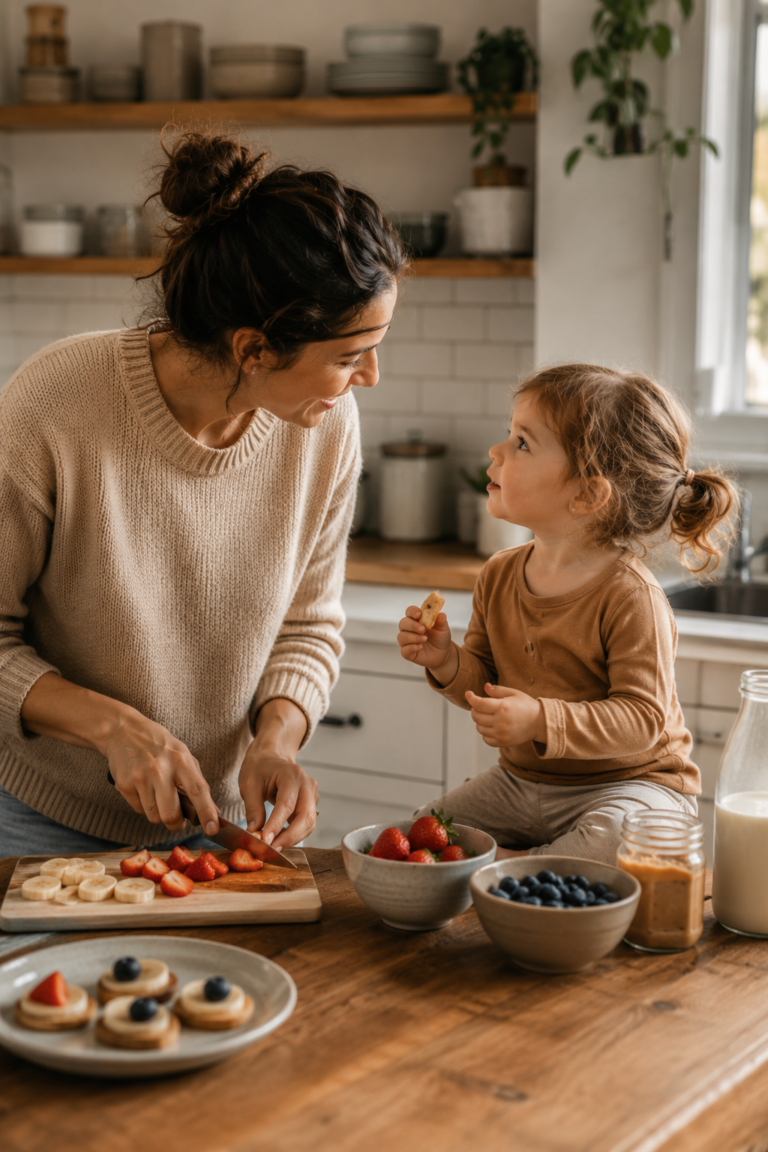
Many quiet toddlers become highly skilled at nonverbal communication. Parents may feel their child “doesn’t need to talk” because they can already understand needs through pointing, sounds, or routines. While this can reduce immediate frustration, it may also mean the child has fewer opportunities to practice spoken language naturally throughout the day.
Speech therapists often encourage families to build communication opportunities into daily routines without pressuring the child to perform. The goal is not forcing speech but creating enjoyable interactions where words become useful and rewarding for the child.
Speech Clarity Is Still Developing
Some toddlers who understand language well use approximations rather than fully clear words. A child may consistently say “ba” for ball or “wa-wa” for water while still communicating intentionally. These attempts still count as meaningful communication progress because they show the child is connecting sounds with meaning.
What matters most is whether communication is moving forward over time. Consistent attempts, growing interaction, and increasing engagement with language are usually more informative than perfect pronunciation at this age.
How Parents Can Encourage More Talking at Home
Daily Routines Create Natural Language Practice
Parents do not need to turn daily life into constant therapy sessions. In fact, language often grows best when communication feels relaxed, playful, and emotionally connected. Narrating simple actions like “wash hands,” “big bubbles,” or “shoes on” can support understanding while modeling useful vocabulary naturally.
Pausing during familiar routines can also encourage communication attempts. Giving a child time to gesture, vocalize, look toward an item, or attempt a word helps create meaningful conversational turns even before speech becomes more advanced.
Play-Based Interaction Supports Communication
Instead of asking constant questions, many speech therapists encourage commenting more during play. Saying things like “the car is fast,” “baby sleeping,” or “you found the ball” gives toddlers rich language models without pressure. This can feel less demanding for children who are hesitant to speak.
Imitation games can also encourage vocal experimentation naturally. Copying your child’s sounds, actions, or play ideas sometimes motivates them to imitate back, creating a fun back-and-forth interaction that strengthens early communication skills.
Reducing Pressure Can Help Some Toddlers
A calmer approach often works better. Modeling simple words while responding warmly to any communication attempt helps children feel successful and connected. Communication includes gestures, eye contact, sounds, and approximations — not just perfectly spoken words.
Parents should also remember that language growth is rarely linear. Some children appear quiet for long periods and then suddenly begin using many new words within weeks. Continued interaction, play, responsiveness, and support remain valuable even when progress feels slower than expected.
When Parents May Want Extra Guidance
Some Signs Deserve Closer Attention
Speech therapists also look at the broader communication picture. Limited gestures, difficulty imitating sounds, reduced social interaction, frustration during communication, or a loss of previously used words may suggest that further evaluation would be helpful. Parents often notice subtle concerns long before anyone else does, and those observations matter.
Seeking support does not automatically mean something is seriously wrong. Early evaluations are often reassuring, and when support is needed, early intervention can make communication easier and more enjoyable for both the child and family.
Situations Where a Speech Evaluation May Be Helpful
- Your 2-year-old uses very few spoken words consistently
- Your child rarely attempts to imitate sounds or words
- Communication frustrations are increasing frequently
- Your toddler relies almost entirely on gestures without spoken attempts
- Speech development seems stalled for several months
- Your child has difficulty interacting socially during play or routines
- You feel persistently concerned about communication development
Early Support Can Be Encouraging and Positive
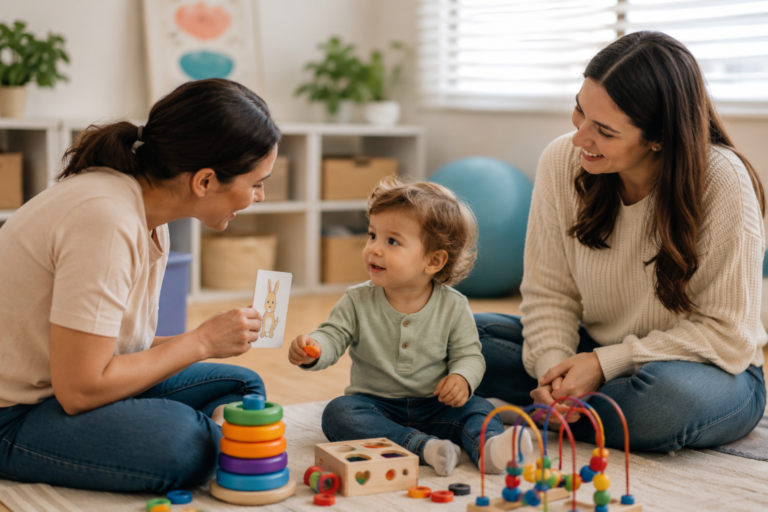
Parents are an important part of early communication support. Small changes during everyday routines can create powerful opportunities for language growth over time. Therapy often works best when strategies feel realistic and easy to use within normal family life rather than overwhelming or highly structured.
Most importantly, communication development is not a reflection of parenting success or failure. Some children simply need more time, more support, or different opportunities to build expressive language skills. A child who understands well already has important strengths to build on moving forward.
Frequently Asked Questions
Is it normal for a 2-year-old to understand everything but not talk much?
That said, limited talking at age two can still be worth monitoring. If spoken language is not increasing gradually over time, or if your child rarely attempts communication verbally, a speech and language evaluation can help clarify whether additional support may be beneficial.
Can a child be intelligent and still have a speech delay?
Absolutely. Speech delays do not automatically reflect intelligence. Many children with expressive language delays understand language, solve problems, engage socially, and learn effectively in other areas of development.<br><br>
Speech development depends on many different skills working together, including motor planning, sound coordination, vocabulary growth, and communication confidence. A child can be bright, curious, and socially connected while still needing support with spoken language.
Should I wait and see if my toddler starts talking later?
Does screen time affect speech development?
Interactive communication matters more than simply hearing words. Reading together, singing songs, playing face-to-face, and talking during daily routines all support stronger language development than passive viewing alone.
What if my child only says a few words?
Some toddlers use only a small number of spoken words at age two while continuing to build understanding and social interaction skills. What matters most is whether communication is gradually progressing over time.<br><br>
If your child rarely attempts new words, becomes frustrated communicating, or shows very limited expressive language growth over several months, it may be helpful to consult a speech-language pathologist for guidance.
Can speech therapy help a late-talking toddler?
Parents are often included closely in the process so strategies can continue throughout daily life. Early support may help children communicate more confidently while reducing frustration and strengthening social interaction.
Not Sure Where Your Child Falls?
Answer a few questions and we’ll tell you whether their development
looks on track — or whether it’s worth talking to an SLP.
A Few Final Thoughts on a Quiet but Understanding 2-Year-Old
Strong understanding skills are an encouraging foundation because they show your child is processing language and connecting meaning with everyday experiences. Many children build expressive language more gradually before making larger leaps in communication later on.
At the same time, parents never need to ignore persistent concerns or simply hope things improve without support. Early guidance can provide reassurance, practical strategies, and a clearer understanding of how your child is developing.
Most importantly, your child is already communicating in many ways through connection, interaction, play, gestures, and understanding. Spoken language is only one part of communication, and with responsive support and meaningful interaction, many toddlers continue building confidence and communication skills over time.