
12 to 18 Months — First Words and Early Communication
Between 12 and 18 months, many parents start listening closely for those exciting first words. This stage often feels emotional because communication begins shifting from sounds and gestures into more intentional language. Some toddlers suddenly seem to have several words at once, while others spend months quietly observing before speaking more consistently.
At this age, communication is about much more than vocabulary alone. Toddlers are learning how language works through eye contact, gestures, imitation, play, and listening. A child may point, wave, bring objects to a parent, or look toward familiar people long before they regularly use spoken words. These early interactions are all important parts of communication development.
It is also very common for speech development to look different from one child to another during this stage. Some toddlers are highly verbal by 15 months, while others focus more on movement, social interaction, or understanding language first. Development tends to happen in bursts, and progress is not always steady week to week.
Understanding what is typically expected between 12 and 18 months can help parents feel more confident about what they are seeing at home. This stage is filled with meaningful communication milestones, and recognizing the small everyday signs of growth often makes the bigger picture much clearer.
How Communication Changes Between 12 and 18 Months
Understanding Before Speaking
Parents often notice understanding during everyday activities. A toddler may look toward the dog when hearing its name, bring shoes when asked, or smile when hearing familiar songs. These small responses show that language learning is actively happening, even if spoken words are still emerging slowly.
This is one reason speech therapists look at the whole communication picture rather than focusing only on word counts. Gestures, social interaction, attention, play skills, and understanding language all help paint a more complete view of development.
The Role of Gestures and Nonverbal Communication
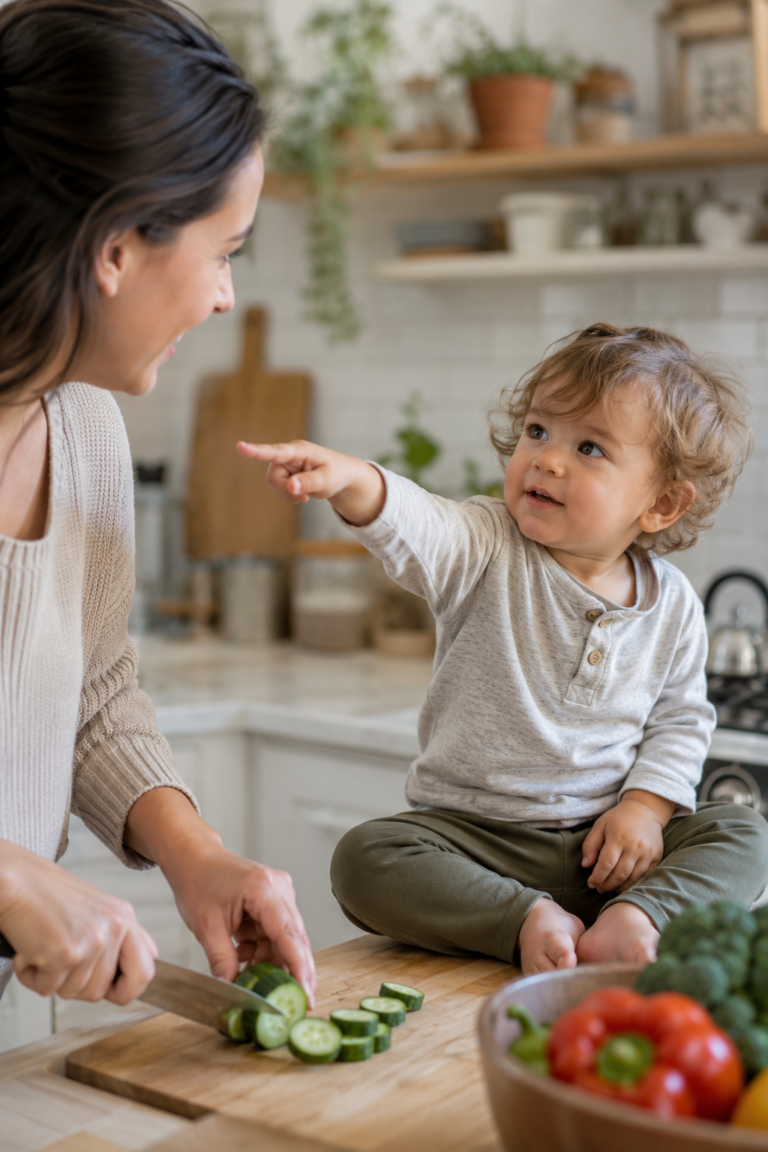
Pointing is especially important because it shows a child is learning to share attention and communicate intentionally. When a toddler points toward an airplane or favorite snack while looking back at a parent, they are practicing the social foundations that support later language growth.
Many children continue relying heavily on gestures even after first words appear. This is completely typical and often helps reduce frustration while spoken language continues developing naturally over time.
Why First Words Can Arrive Gradually
Parents sometimes expect a dramatic moment where speech suddenly takes off overnight. In reality, many first words emerge gradually and may not sound perfectly clear at first. Words like “ba” for ball or “wa” for water still count when they are used consistently and intentionally.
Toddlers also commonly practice words quietly before using them regularly in conversation. A child may imitate sounds occasionally for weeks before confidently using them on their own during daily routines.
What First Words Usually Sound Like
Early Words Are Often Simple
Pronunciation is rarely perfect during this stage. A child might leave off sounds, shorten words, or simplify longer words into easier versions. These speech patterns are expected because toddlers are still learning how to coordinate the muscles needed for speech production.
What matters most is whether the word is used consistently and intentionally. If a toddler says “ba” every time they see a ball, that still demonstrates meaningful language development.
Communication Happens During Everyday Routines
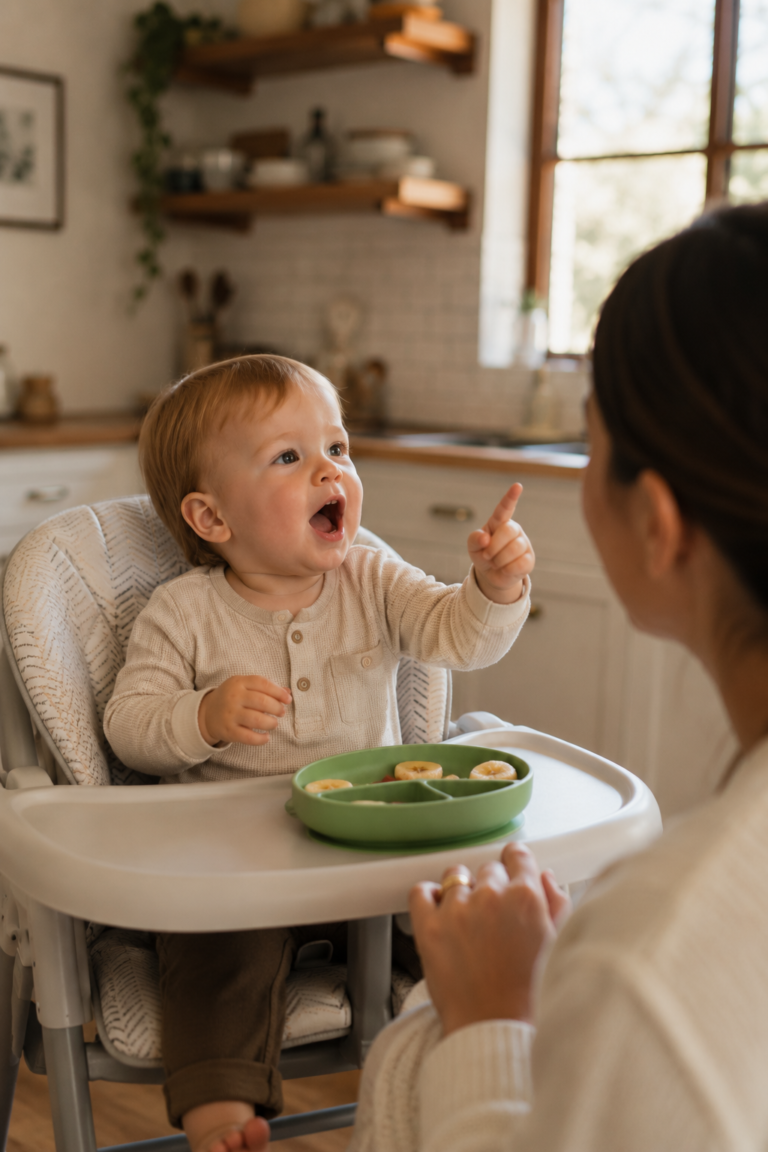
Parents often notice toddlers attempting words during emotionally engaging moments. A child may excitedly say “up,” “go,” or “more” because those words help them participate in activities they enjoy. Motivation plays a major role in early language learning.
Simple back-and-forth interactions are especially helpful during this stage. Pausing after speaking, waiting for a response, and reacting warmly to attempts at communication encourages toddlers to keep experimenting with sounds and words.
Vocabulary Growth Often Happens in Spurts
Children also develop at different rates depending on personality and interests. Some toddlers are highly social and eager to imitate speech, while others spend more time observing before speaking more frequently themselves.
Parents sometimes compare their child to siblings or peers, but language development rarely follows an identical timeline. Looking at steady progress across multiple communication areas is usually more helpful than focusing on one specific milestone alone.
Supporting Language Development at Home
Talking Throughout the Day Matters
Simple language is often most effective during this stage. Short phrases like “big truck,” “more milk,” or “dog running” are easier for toddlers to process and imitate than long complicated sentences. Repetition also helps strengthen understanding.
Children benefit most when language feels connected to real experiences. Talking during play, meals, walks, and caregiving routines creates meaningful opportunities for communication learning.
Reading Together Builds Communication Skills
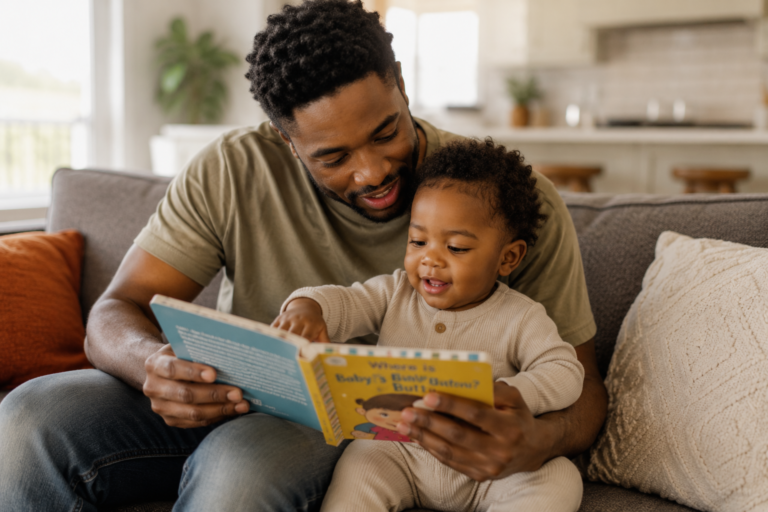
Interactive reading is often more valuable than reading every word perfectly. Following a toddler’s interests, pausing for reactions, and talking about pictures encourages active participation and attention during books.
Many toddlers enjoy hearing the same books repeatedly. Repetition strengthens understanding and allows children to anticipate familiar words and routines, which supports confidence in communication.
Play Supports Early Language Learning
Toddlers also learn language through imitation. Watching adults use gestures, sounds, facial expressions, and words during play helps children connect communication with real social experiences.
Responsive play does not require expensive toys or structured lessons. Warm interaction, attention, and shared enjoyment are often the most valuable ingredients for supporting early speech and language growth.
When Communication Concerns May Need Extra Attention
Understanding When to Reach Out
A toddler who is not using gestures, rarely responding to sounds or voices, or showing very limited interest in interaction may benefit from further evaluation. Difficulty understanding simple language or limited progress across several months can also be important to discuss with a pediatrician or speech-language pathologist.
Seeking guidance does not automatically mean something is seriously wrong. Early support can provide reassurance, monitoring, helpful strategies, or intervention when needed, and many families find that getting answers reduces stress and uncertainty.
Signs Parents May Want to Discuss With a Professional
- Limited babbling or vocal play by 12 months
- Very few gestures such as pointing or waving
- Difficulty responding to familiar names or simple language
- No meaningful words emerging closer to 16 to 18 months
- Loss of previously used words or social communication skills
- Limited eye contact or shared interaction during play
Early Support Can Make a Difference
Speech-language pathologists look at communication broadly, including understanding, gestures, play, social interaction, speech sounds, and overall language development. This larger perspective helps create individualized recommendations that fit each child’s strengths and needs.
Most importantly, parents should remember that developmental guidance is meant to support understanding rather than create fear. Children grow in many different ways, and communication development is often more flexible and nuanced than milestone charts alone can capture.
Frequently Asked Questions About 12 to 18 Month Speech Milestones
How many words should a 15-month-old say?
What matters most is the overall communication picture, including gestures, understanding language, social interaction, and steady developmental progress. Children often develop language at different rates while still remaining within typical ranges.
Is it normal if my toddler understands words but does not say many yet?
A child who follows simple directions, responds to familiar words, points, gestures, and engages socially may still be building important communication foundations even if spoken vocabulary is developing more slowly.
What counts as a first word?
For example, saying “ba” for ball every time a ball appears can still count as meaningful communication. Consistency and purpose matter more than perfect speech production at this age.
Should I worry if my child is not talking at 12 months?
Parents may want to monitor communication more closely if a child also shows limited babbling, reduced gestures, poor response to language, or minimal interaction with others. Discussing concerns early with a pediatrician can provide reassurance and guidance.
Does screen time affect language development?
Occasional high-quality media used together with a caregiver is different from long periods of passive viewing. Interactive human communication remains the most important part of early language learning.
What are the best activities for encouraging first words??
Parents do not need complicated activities or flashcards to encourage speech. Warm responsiveness, repetition, and giving toddlers opportunities to communicate naturally throughout the day are often most effective.
Not Sure Where Your Child Falls?
Answer a few questions and we’ll tell you whether their development
looks on track — or whether it’s worth talking to an SLP.
A Few Final Thoughts on First Words and Early Communication
Many toddlers move through this stage gradually, experimenting with sounds and learning how communication helps them connect with the people around them. Small moments like pointing, imitating, responding to language, or attempting simple words are all meaningful signs of development.
Parents do not need to create perfect teaching moments for language learning to happen. Responsive conversation, shared play, books, songs, and warm everyday interaction naturally support communication growth throughout toddlerhood.
If concerns arise, early guidance can provide clarity and support without alarm. Every child develops in their own way, and understanding the broader picture of communication development often helps families feel more confident during this exciting stage.